DIRECTOR
> THEATRE | MUSICAL THEATRE | OPERA | SPECIAL PROJECTS
El borde de sí mismo
(2023-2025)
Manifest
1
The poem asserts itself on the edge of itself, calls itself and brings it back, in order to persist, incessantly, from its No-More to its Always-Still.
Paul Celan
Paul Celan writes “The Meridian” on the occasion of the awarding of the Georg Büchner Prize; there, in that speech, Celan reads Büchner's work not as alien but as his own. Celan, poet – from the edge of himself – reads Büchner, playwright. Reflections on poetry open the field of perception of those who read (or knew how to listen to that speech given on October 22, 1960 in the city of Darmstadt, Germany) – we no longer talk about poetry but about poems. That way of naming, that new baptism allows us to think not only about poetry: the poem - then - is all the artistic expression.
This cycle will try to read the other's poem as their own.
2
At the time they were written, the books that now constitute the canon of Western literature (the Iliad, the Bible) were held to be true chronicles of real events. In 1572, when Montaigne set himself the task of nominating the "new" type of work he was composing in his journals - which would later become his books - he came across the medieval French word essai, meaning "proof," attempt”, “experiment”.
David Shields
The visual arts from the edge of itself read the theater; the theater from the edge of itself reads the visual arts. From one's own self, from one's own limits, another territory is perceived, rehearsed, experimented, tested that other territory.
This cycle proposes, then, rehearsing - from the edge of oneself - apparently foreign territories, virgin spaces, unexplored areas, but interviews from one's own experience.
3
Experience is a dim lamp that only illuminates those who hold it.
Céline
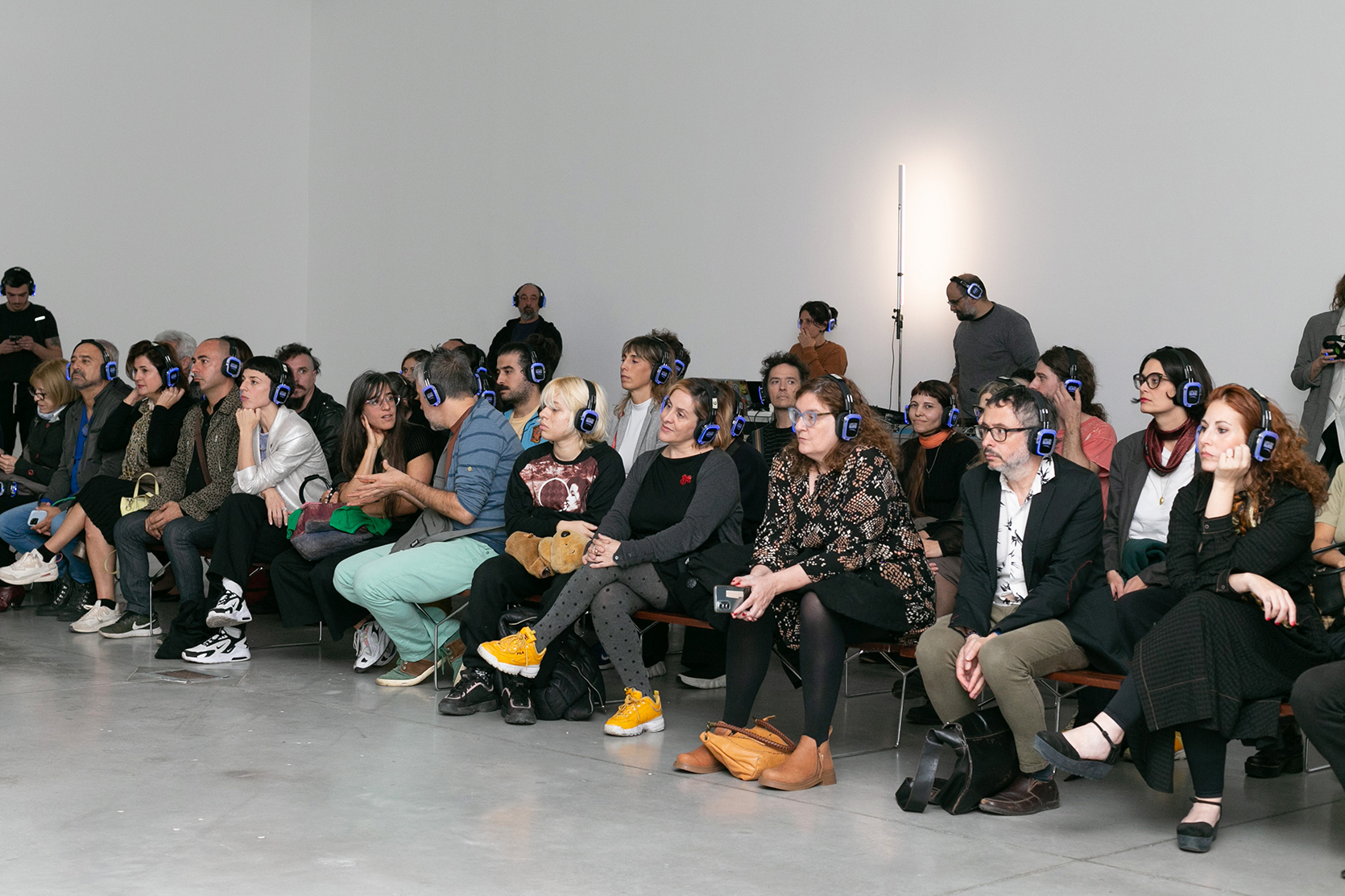
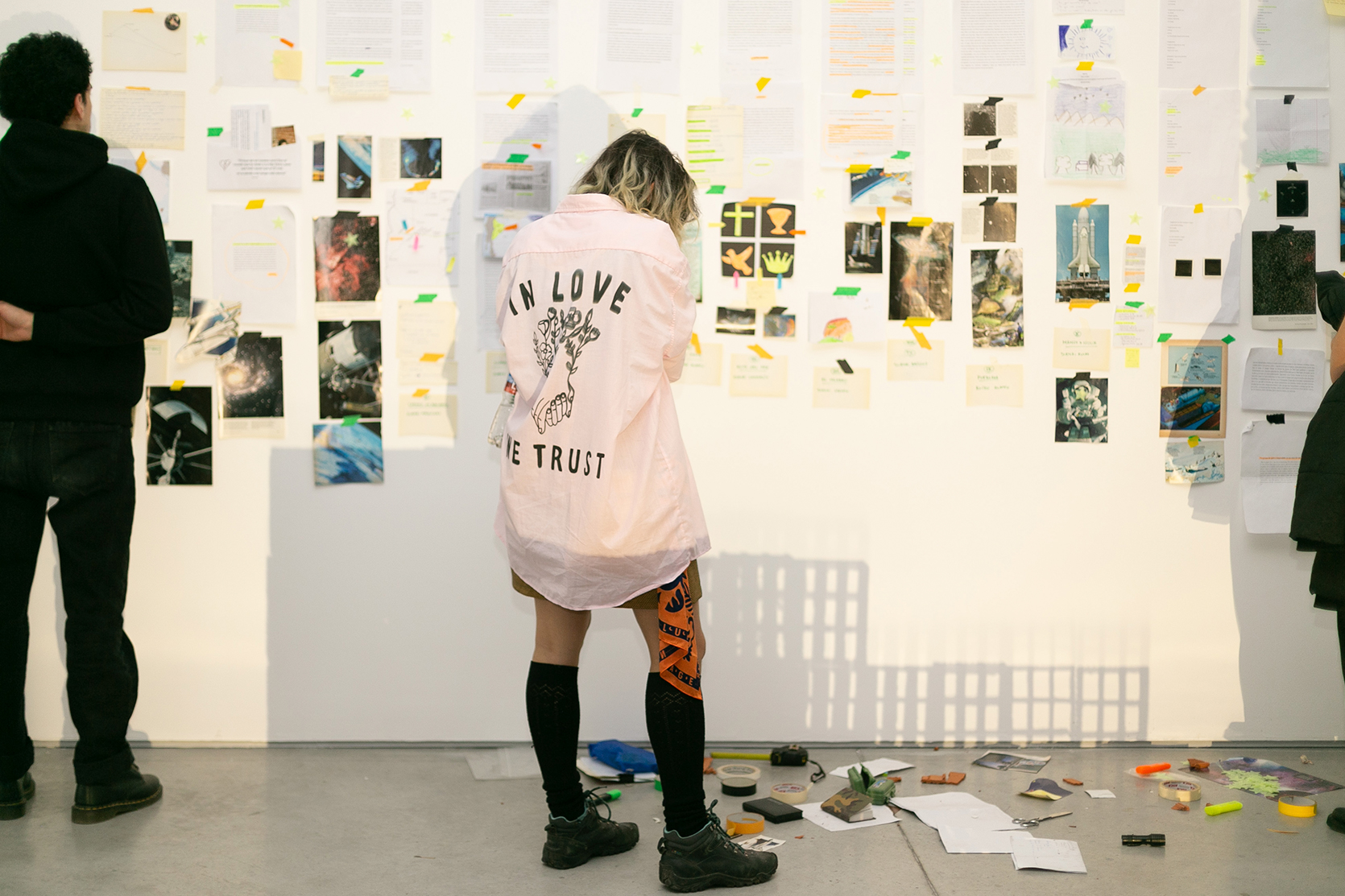
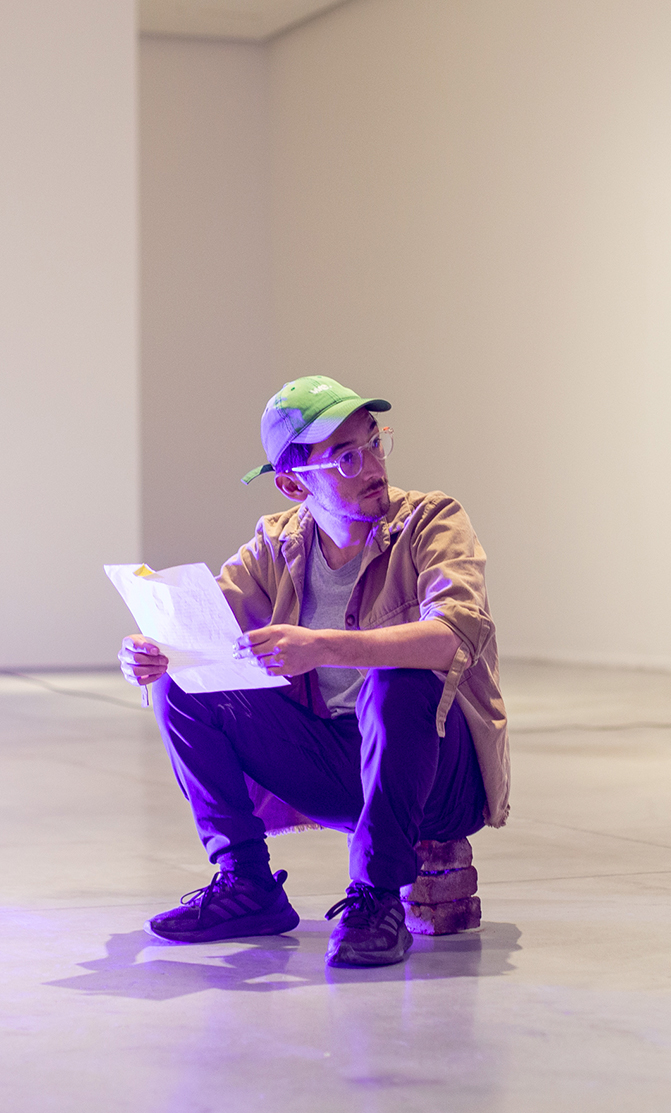
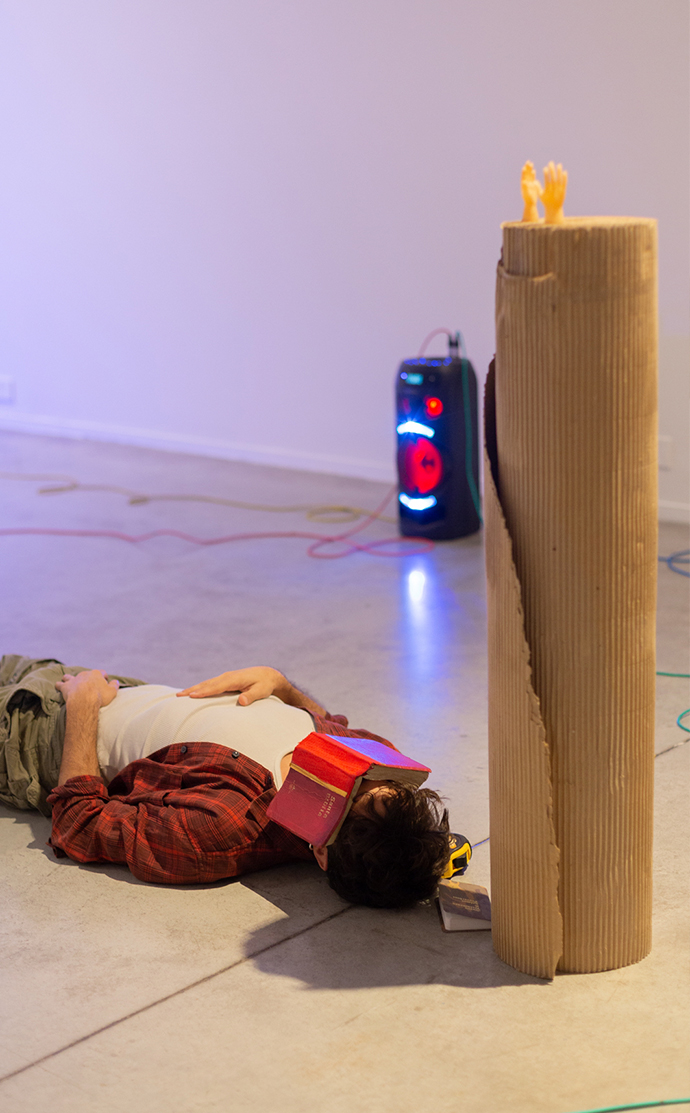
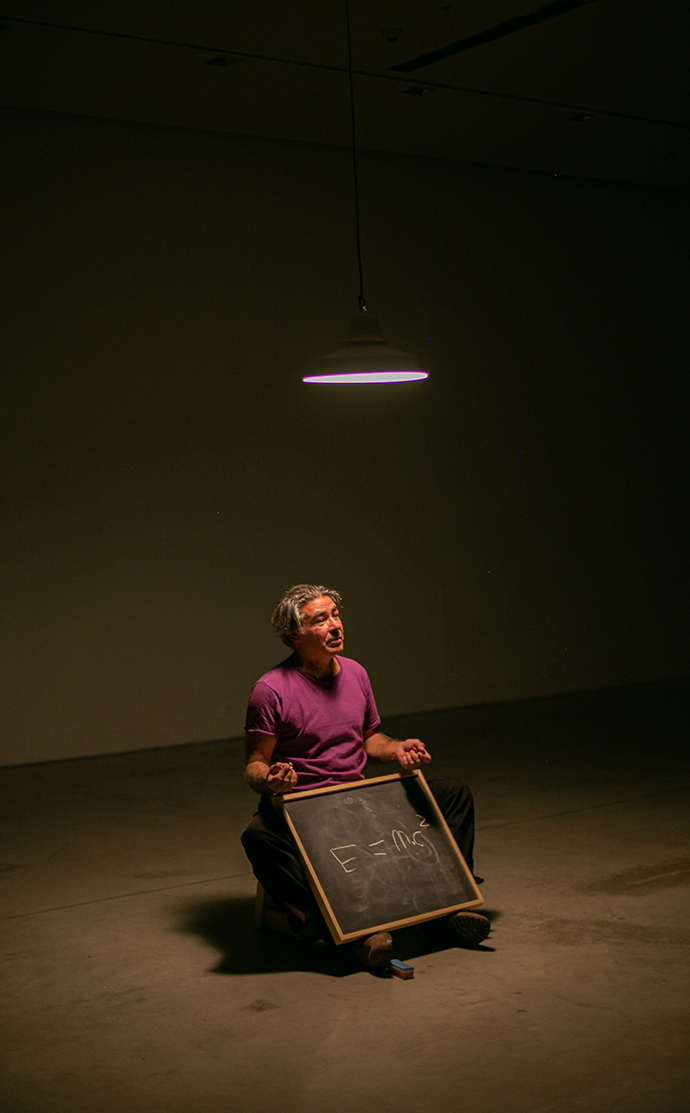
Sharing the experience, sharing the time, sharing the process, the construction of the work: imagining what does not yet have a form and allowing mistakes and encouraging failure: living with the public in a space and time to which they are not usually invited.
The work is in the process: the work is written, it is gestated in the tension between the gaze of the artist and the public.
The experience of the public will illuminate -hopefully- the path of the work.
This cycle invites the public to be part of the work.
This cycle invites the artist to lean out to the edge of himself to look at the public at eye level.
4
SThe feeling that life is speeding up actually comes from the perception that time is tumbling aimlessly. (...) The temporary dispersion does not allow experiencing any type of duration. There is nothing that rules time. Life is no longer framed in an ordered structure nor is it guided by coordinates that generate a duration. One also identifies with the fleeting and the ephemeral. In this way oneself becomes radically transient. The atomization of life supposes an atomization of identity. One only has oneself, the little me.
Byung-Chul Han
Desacelerar el tiempo, abandonar la búsqueda del resultado: entregarse a la duración del tiempo, al aroma del tiempo.
Que la obra encuentre un cauce en el tiempo; que el público sea parte de ese cauce, le dé forma – construya la temporalidad junto a la obra.
Que la experiencia compartida rija el tiempo.
Intentar pensarse ya no efímero.
Dejar de tenerse sólo a sí mismo. La obra y el público, entonces, pueden encontrarse. Y unirse.
Desde el borde de mí mismo percibir que hay algo más allá de mí.
Este ciclo alienta esto que se escribe.
Slow down time, abandon the search for the result: surrender to the duration of time, to the aroma of time.
That the work finds a channel in time; that the public be part of that channel, give it shape – build temporality together with the work.
Let shared experience rule time.
Try to think of yourself no longer ephemeral.
Stop having only yourself. The work and the public, then, can meet. And join.
From the edge of myself perceive that there is something beyond me.
This cycle encourages what is written.
5
So that in the wavering interval,
so that in the dark there is something graspable.
Friedrich Hölderlin
(…)
Alejandro Tantanian
-
Third Edition - 2023
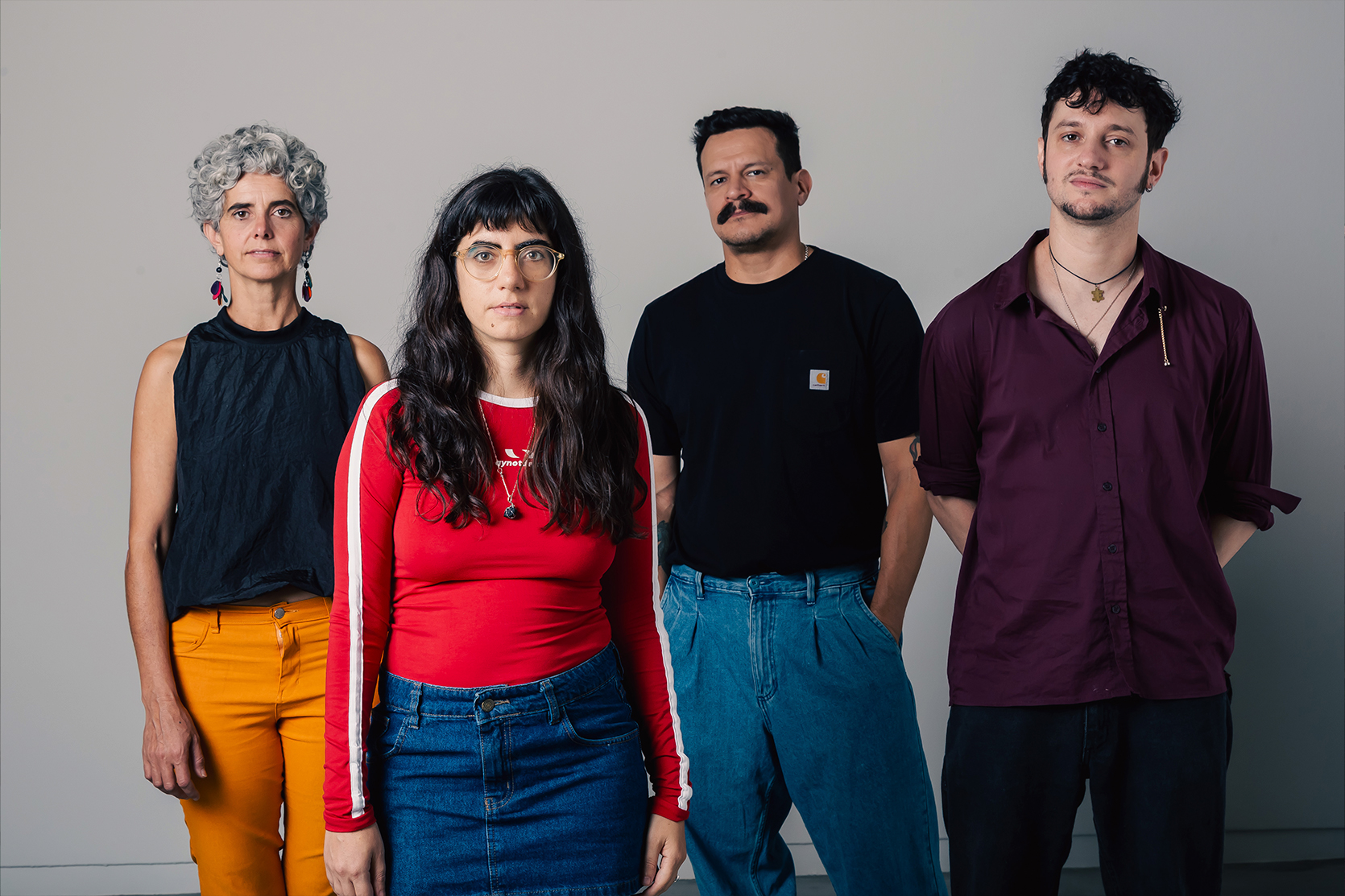
Curators: Alejandro Tantanian & Javier Villa
Participant artists
José Guerrero, Ernesto Ballesteros, Gustavo Tarrío, Porkería Mala, Colectivo Tótem Tabú y Marina Otero
- Works Cycle 2023
-
Obras Ciclo 2023
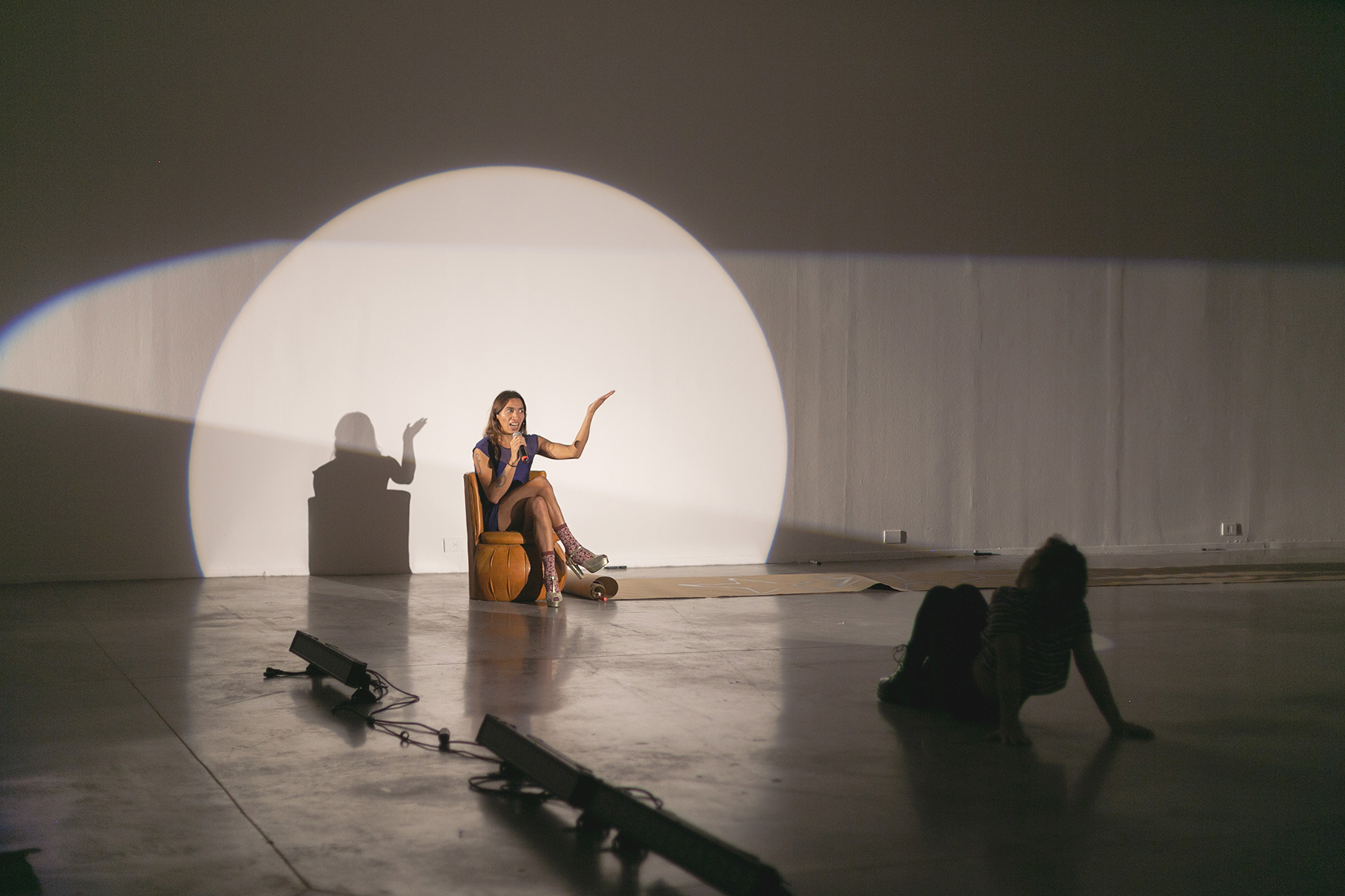
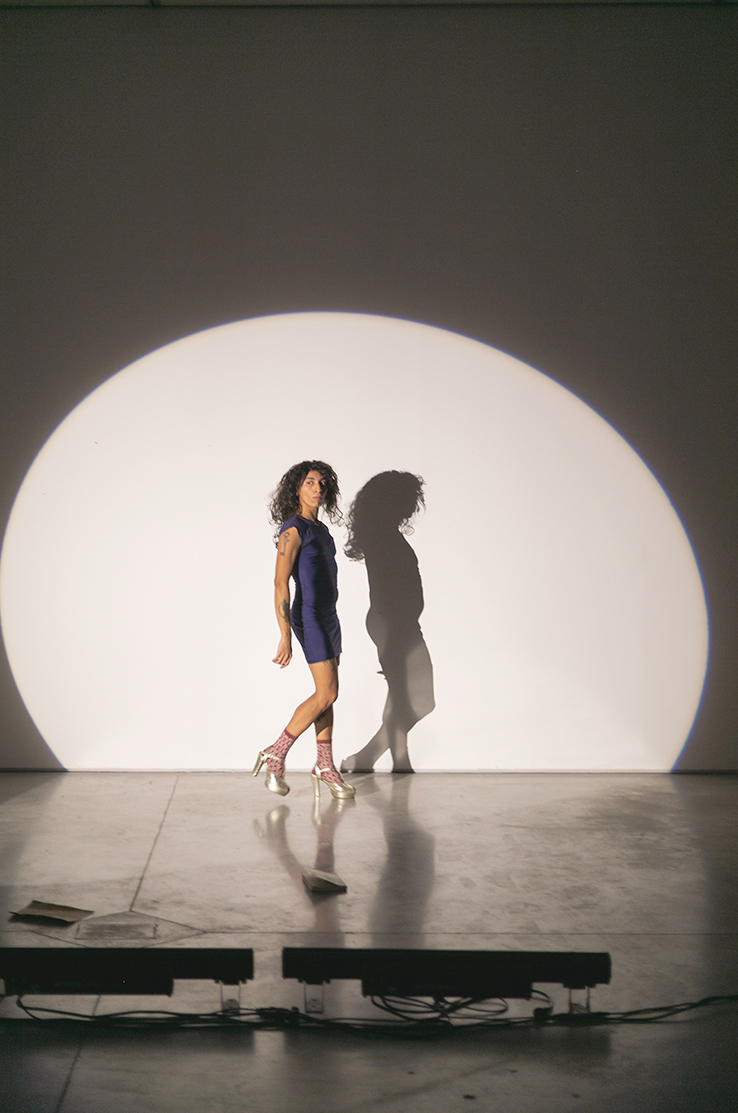
Un grano de polvo suspendido sobre un rayo de sol, José Guerrero
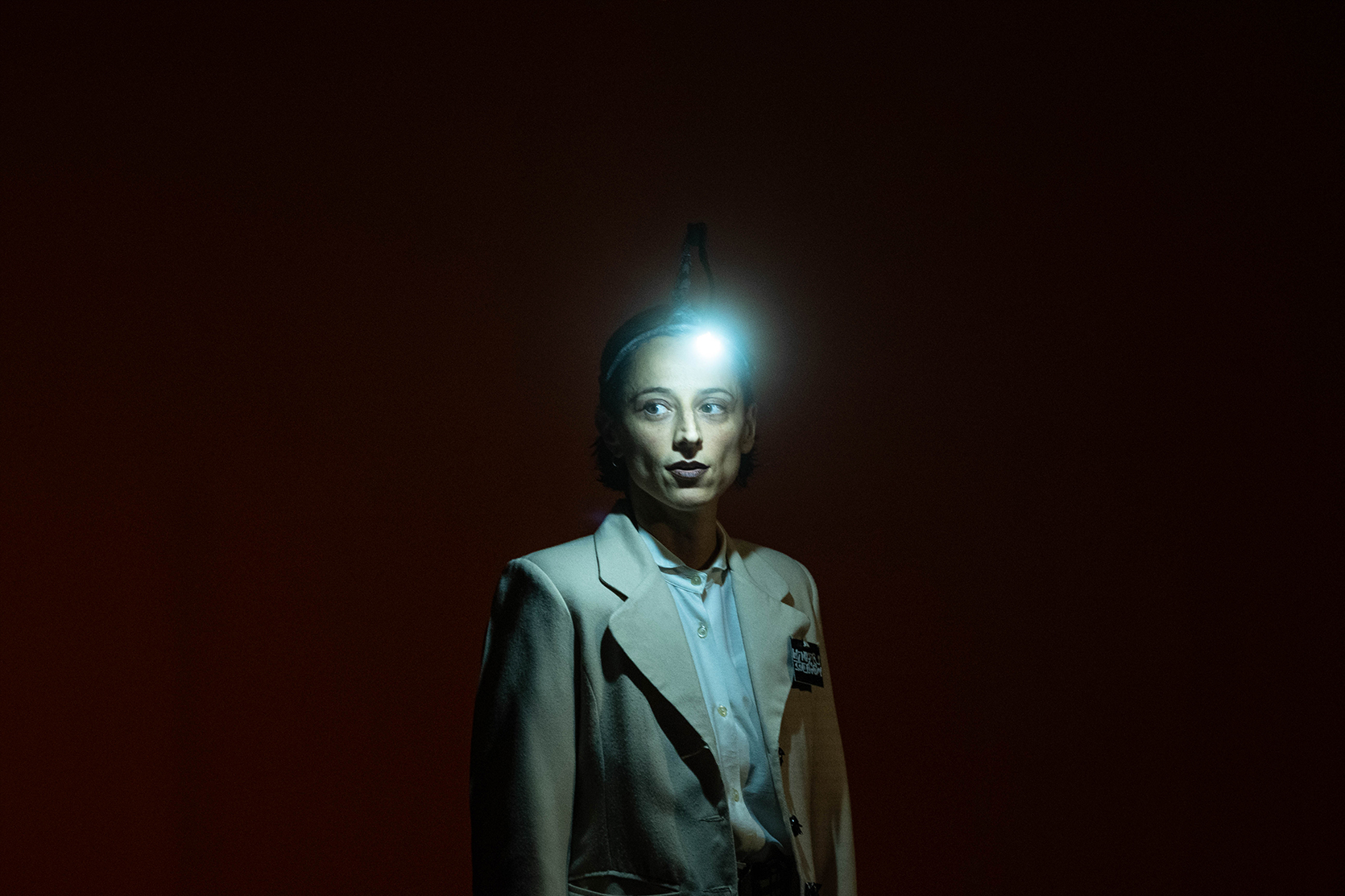
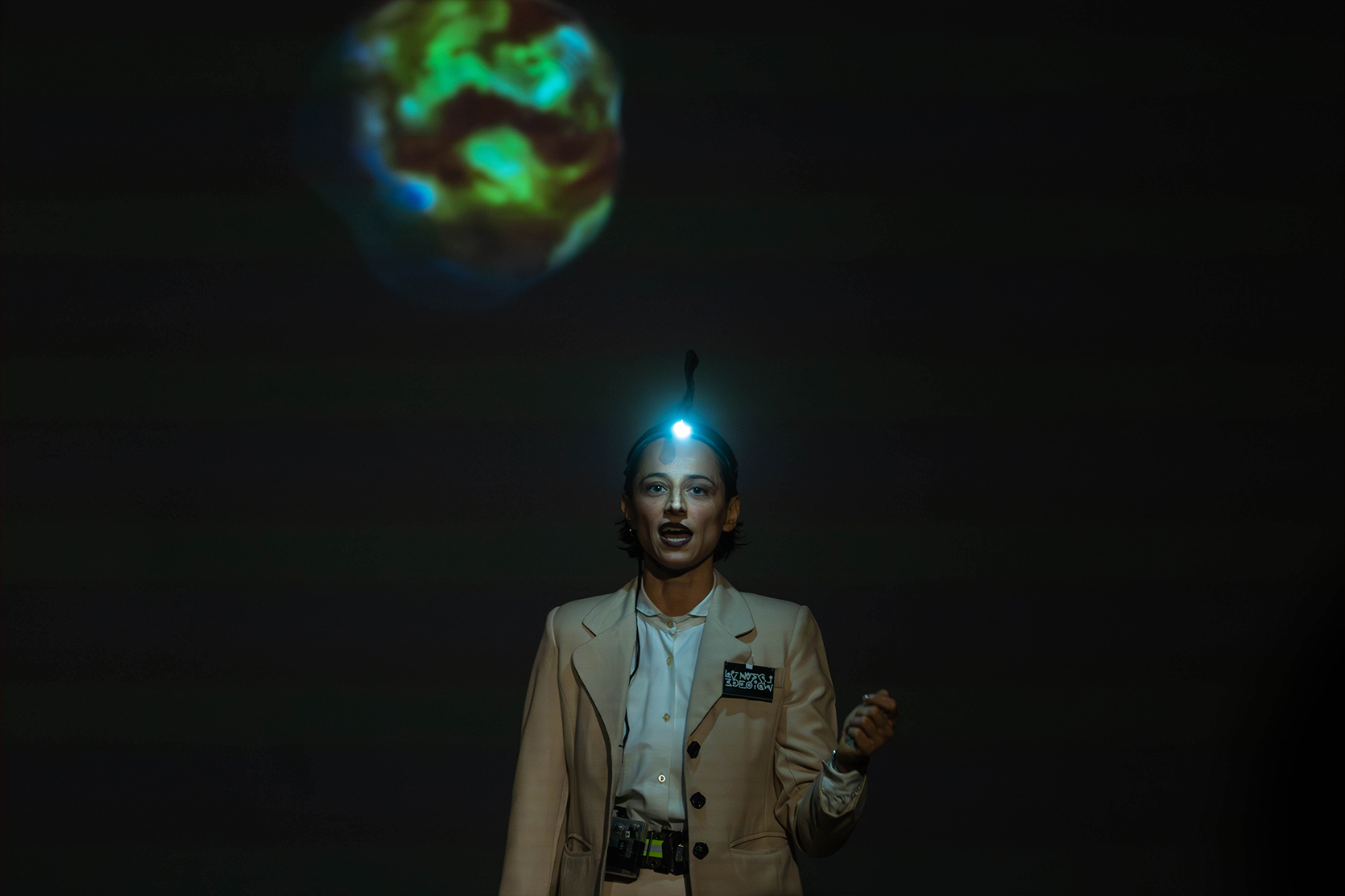
Pequeño espacio de concientización cosmológica, Ernesto Ballesteros
La carta de la estrella, Gustavo Tarrío
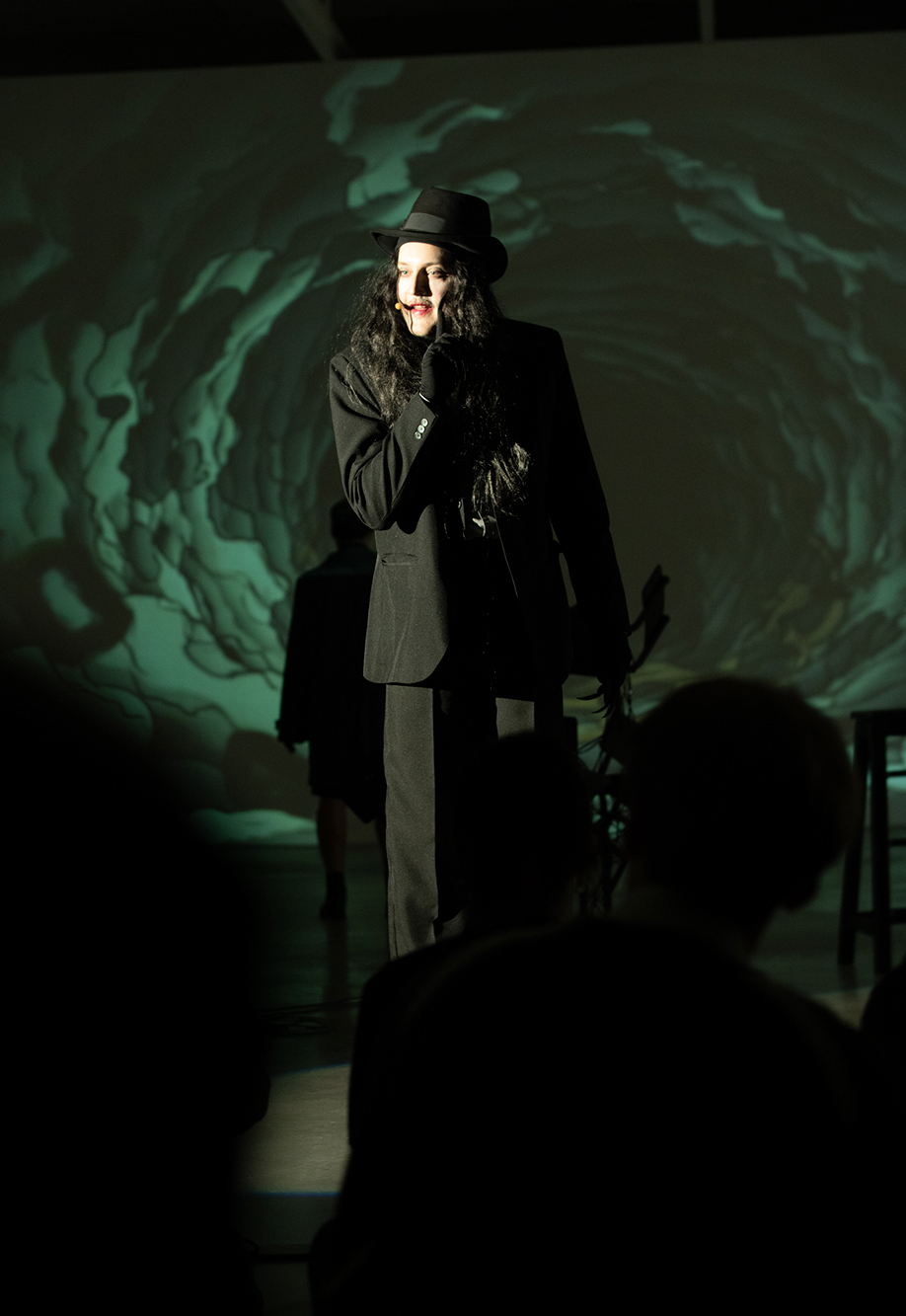
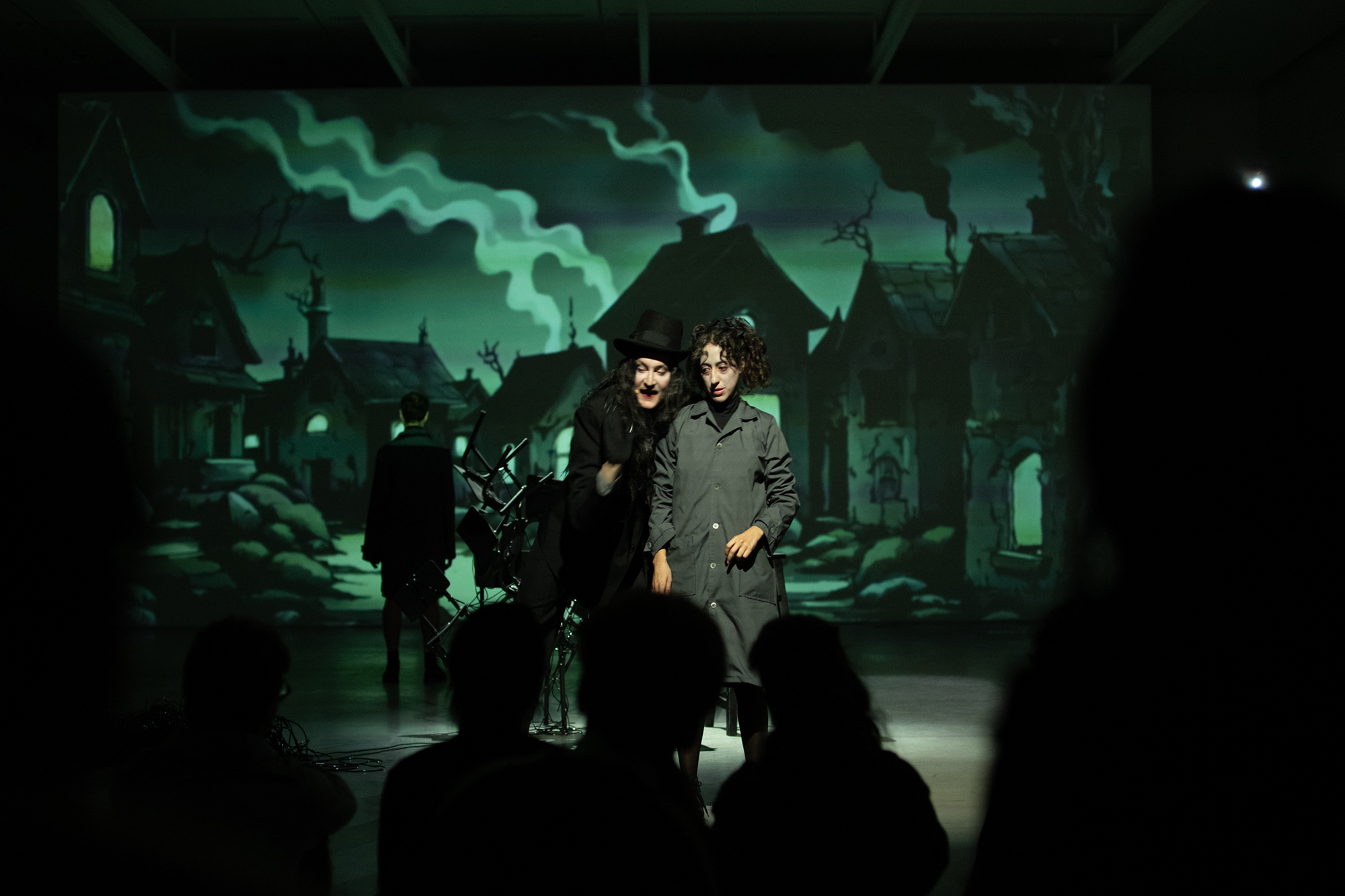
Uuuff OOoh la nave endeudada, de Porkería Mala
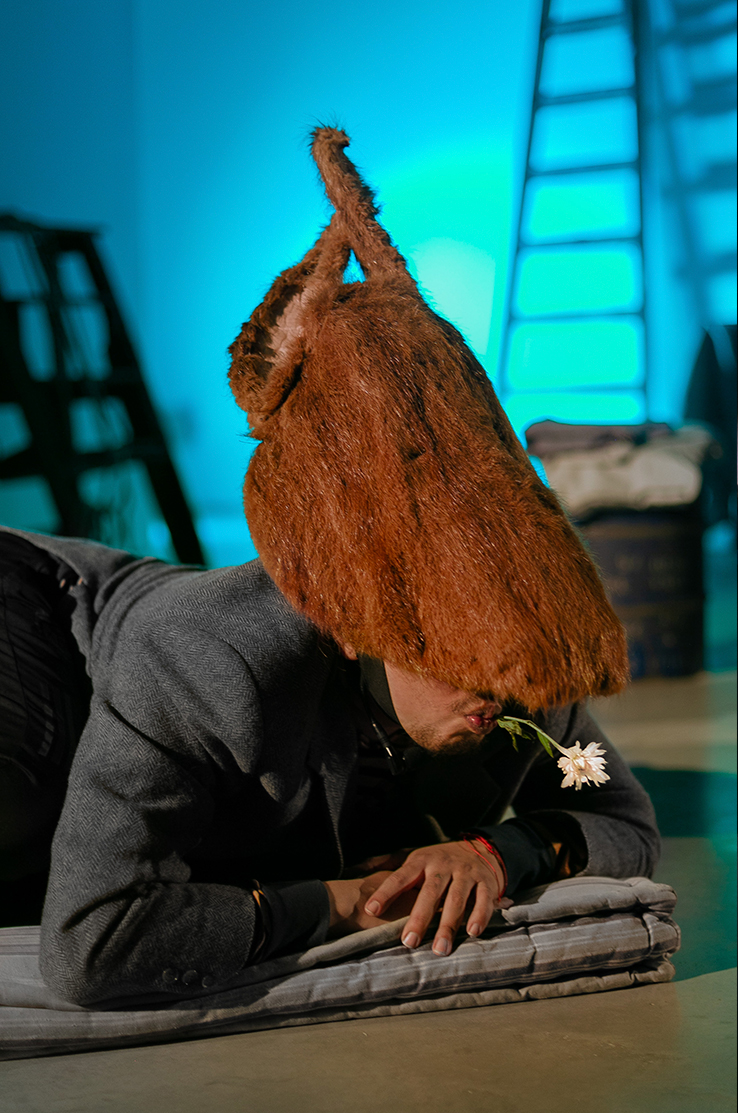
Burro, Colectivo Tótem Tabú
Ensayo de Eros, Silvio Lang
Escenas para Kill me, Marina Otero
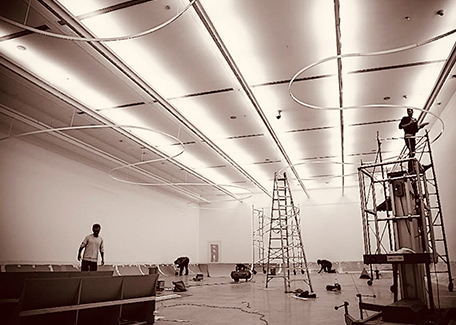
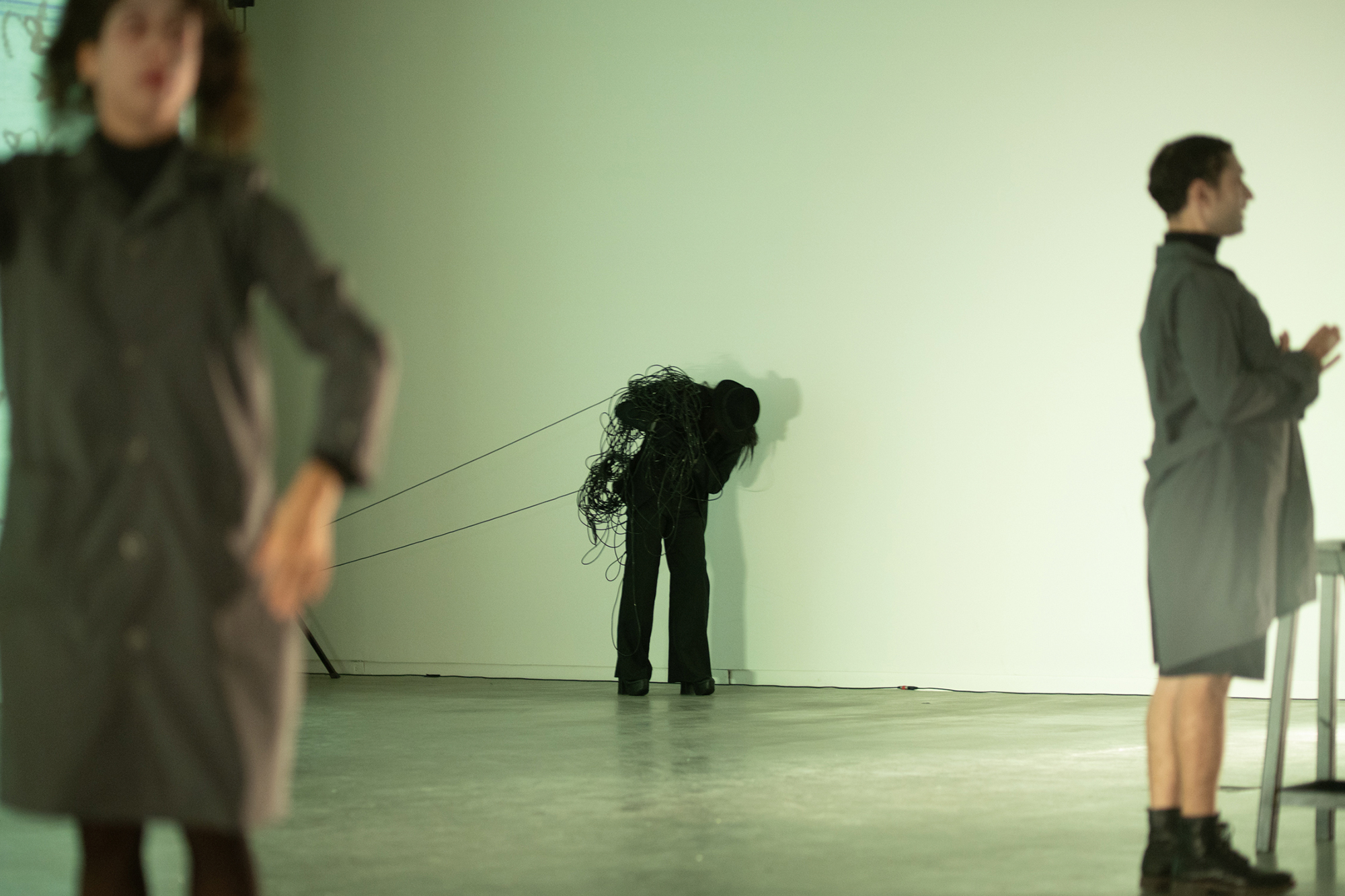
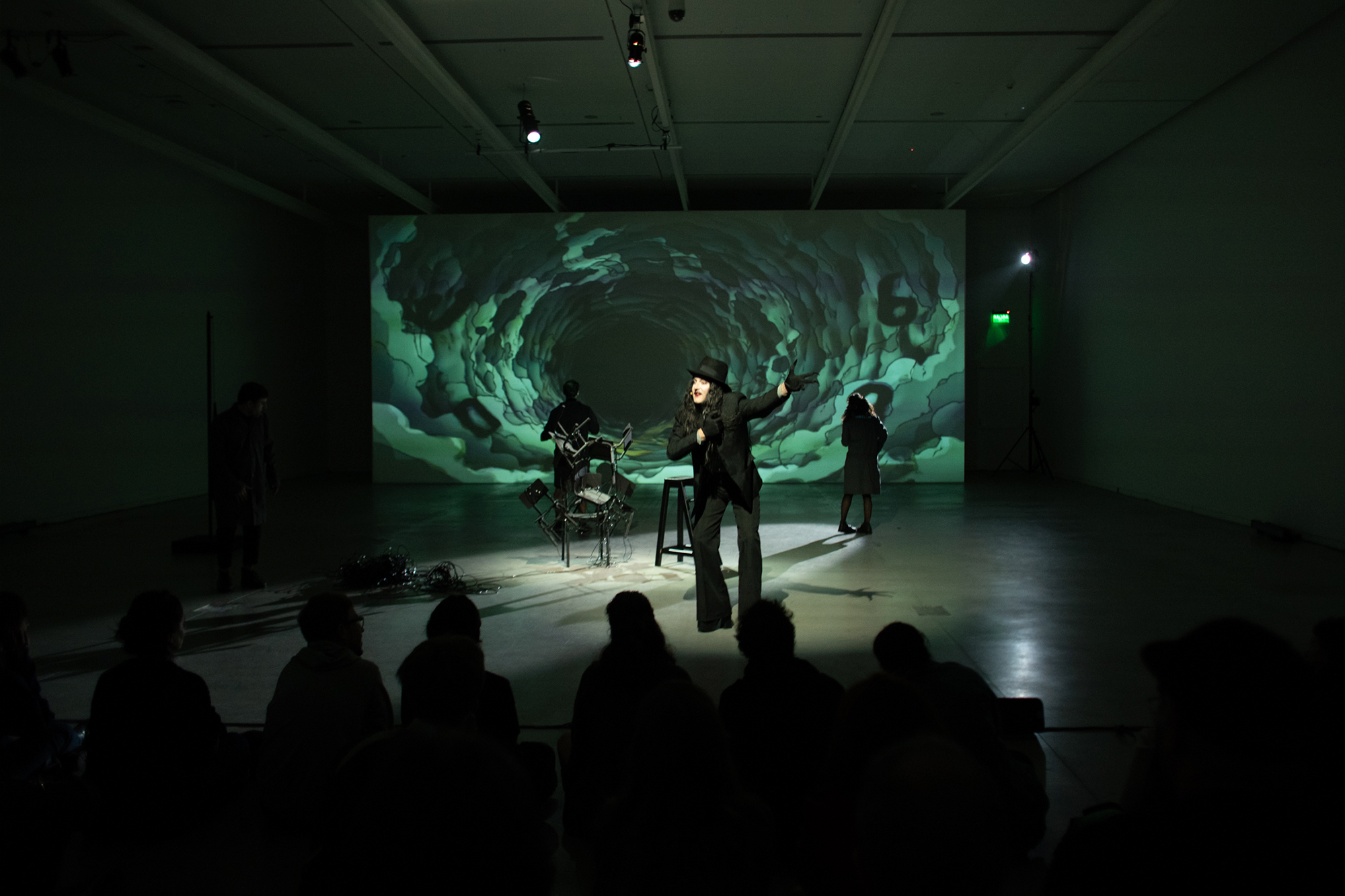
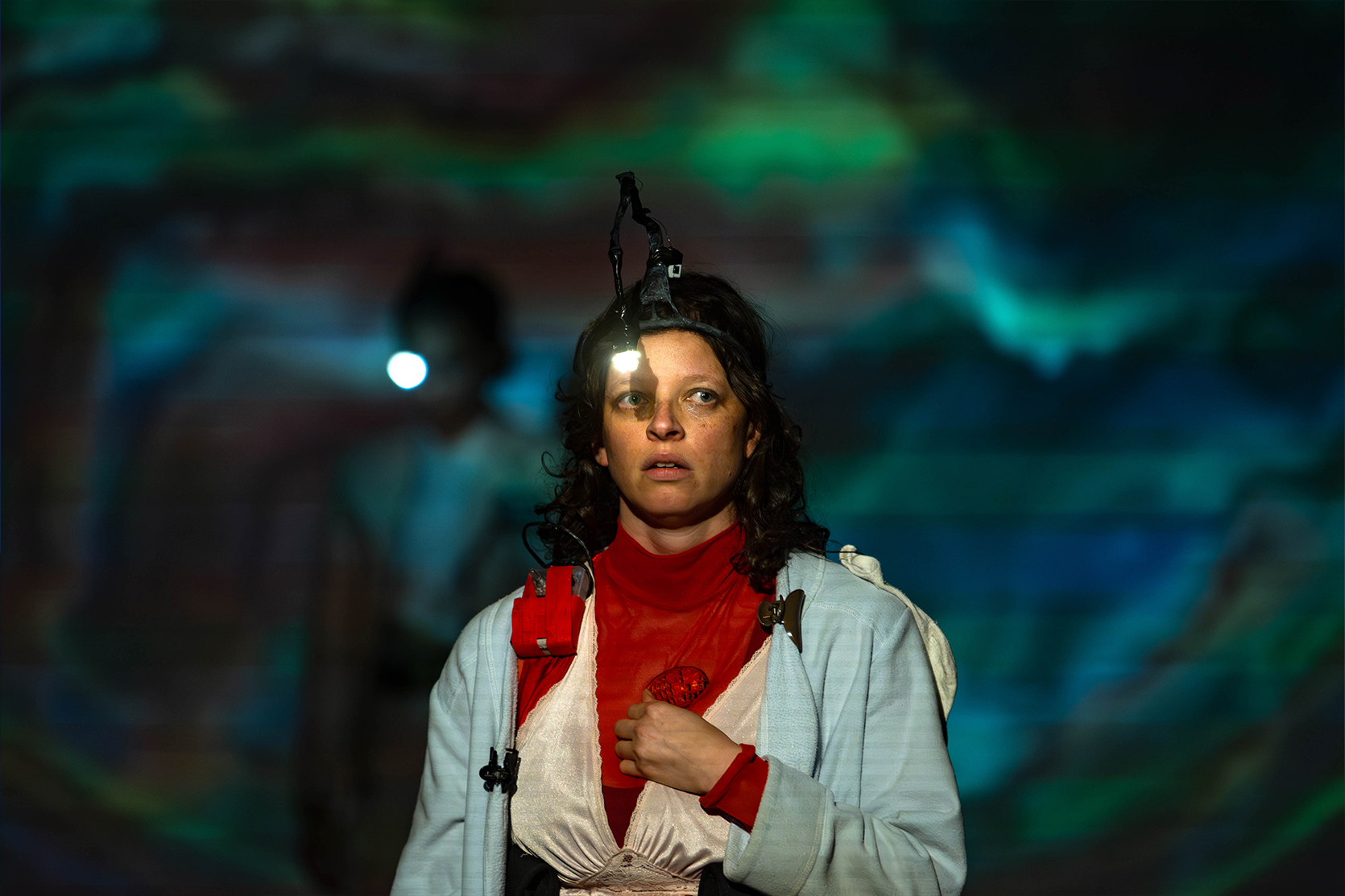
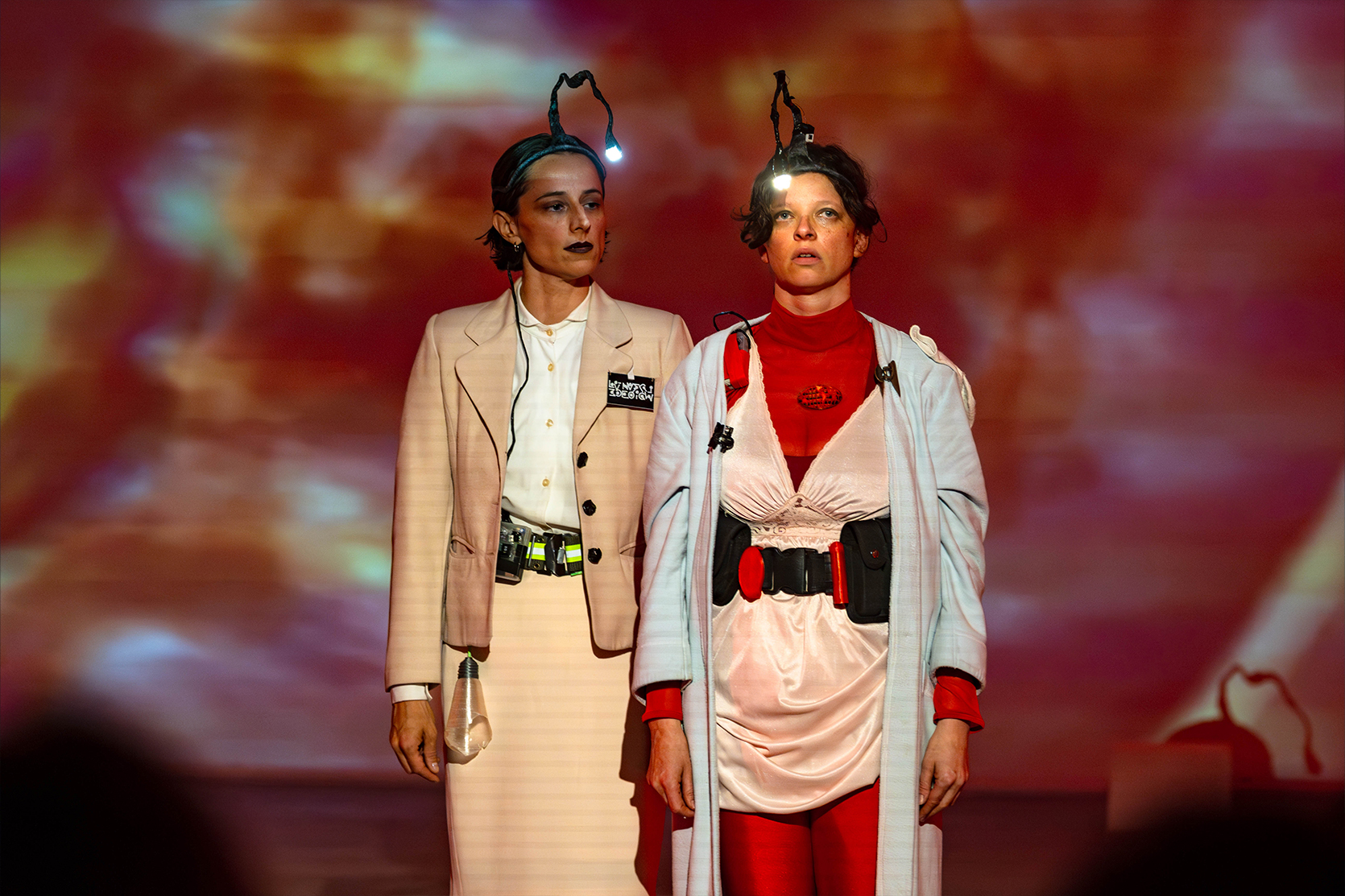
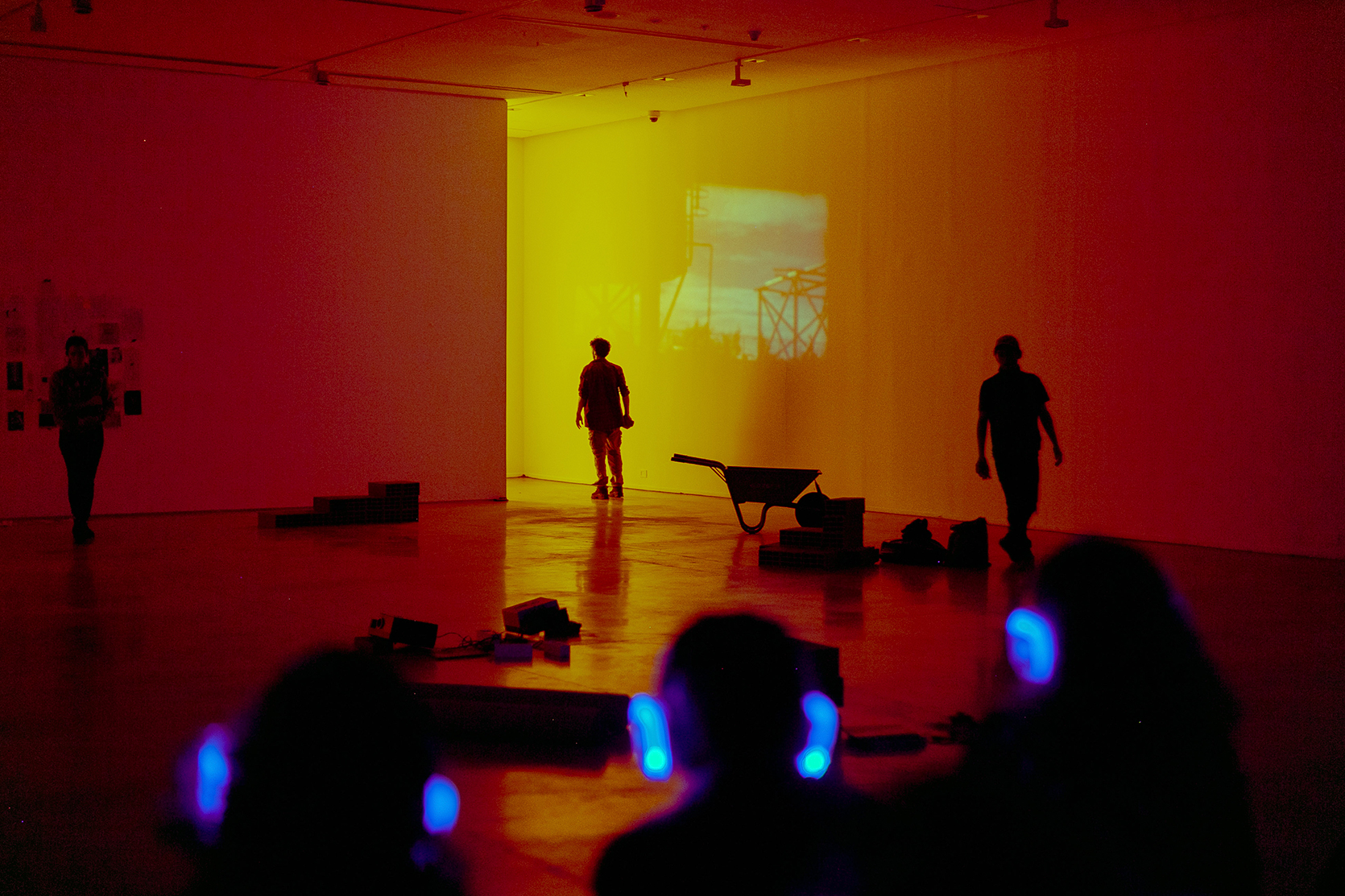
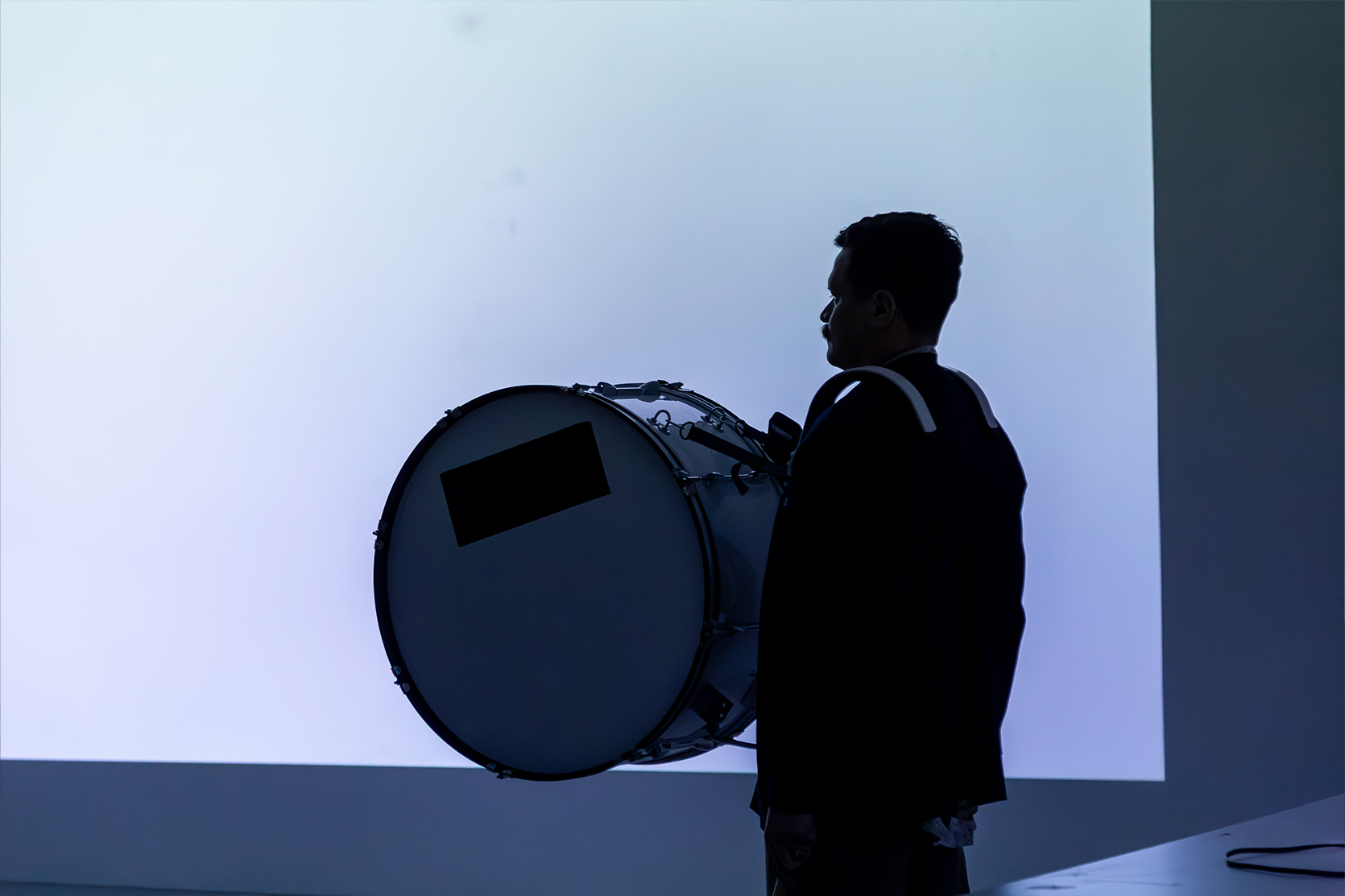
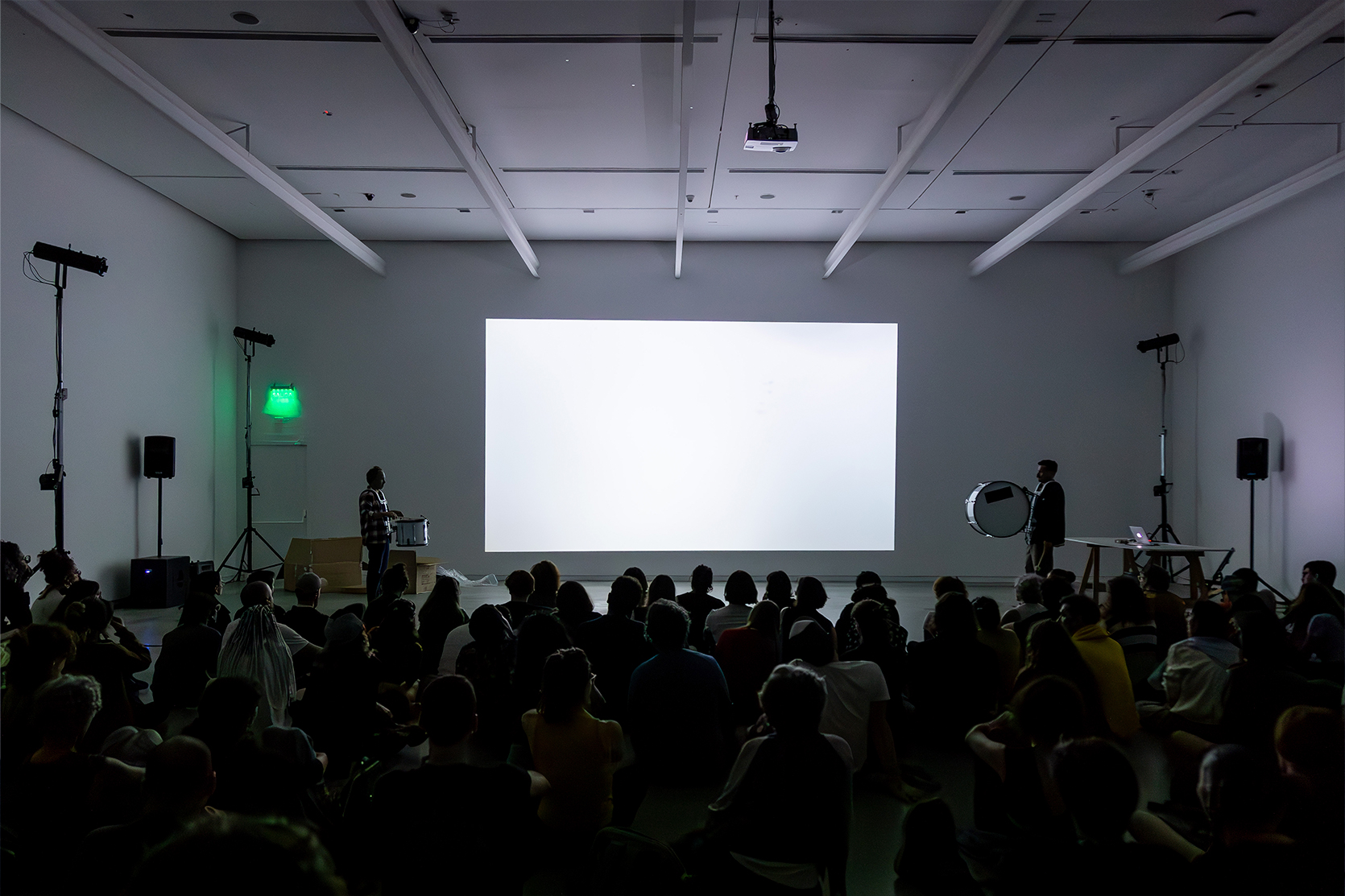
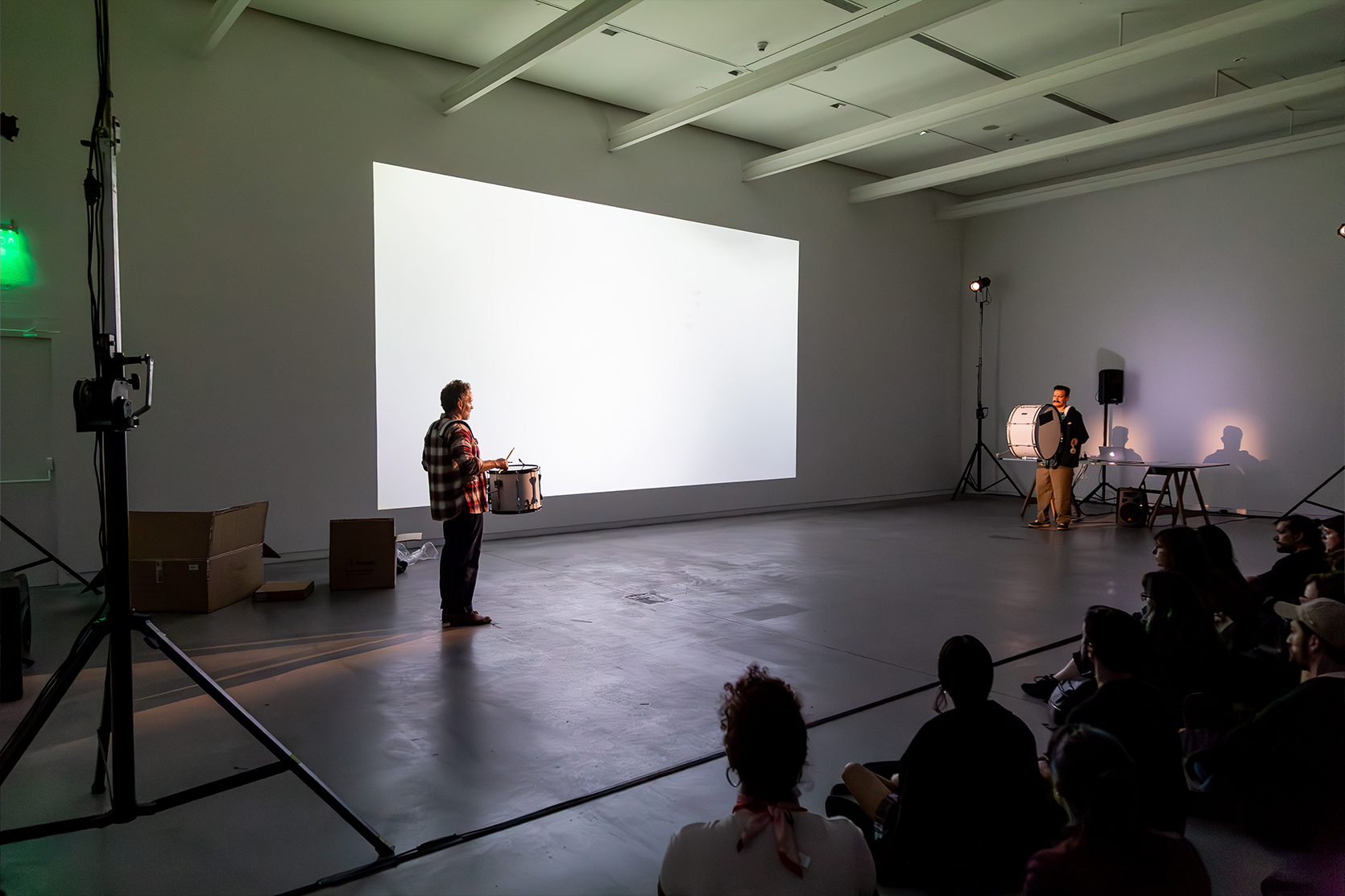
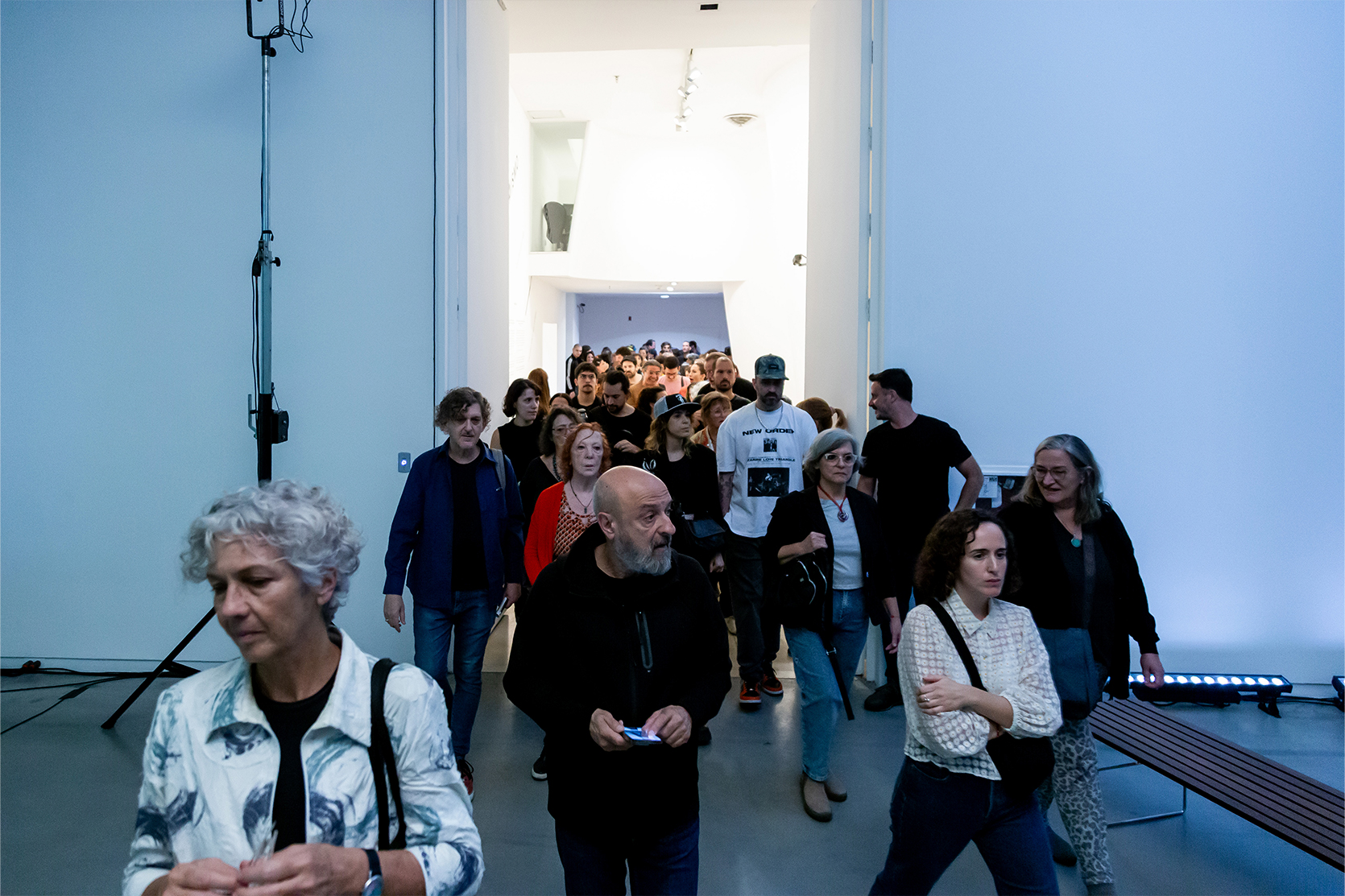
May / June 2023, First Floor Hall, Museo de Arte Moderno de Buenos Aires, Buenos Aires, Argentina
-
Fourth Edition - 2025
Curator: Alejandro Tantanian
Participant artists
Martín Flores Cárdenas, Valeria Conte Mac Donell, Agostina Luz López e Ignacio Bartolone.
- Works Cycle 2025
-
Obras Ciclo 2023
Capítulo I, Martín Flores Cárdenas
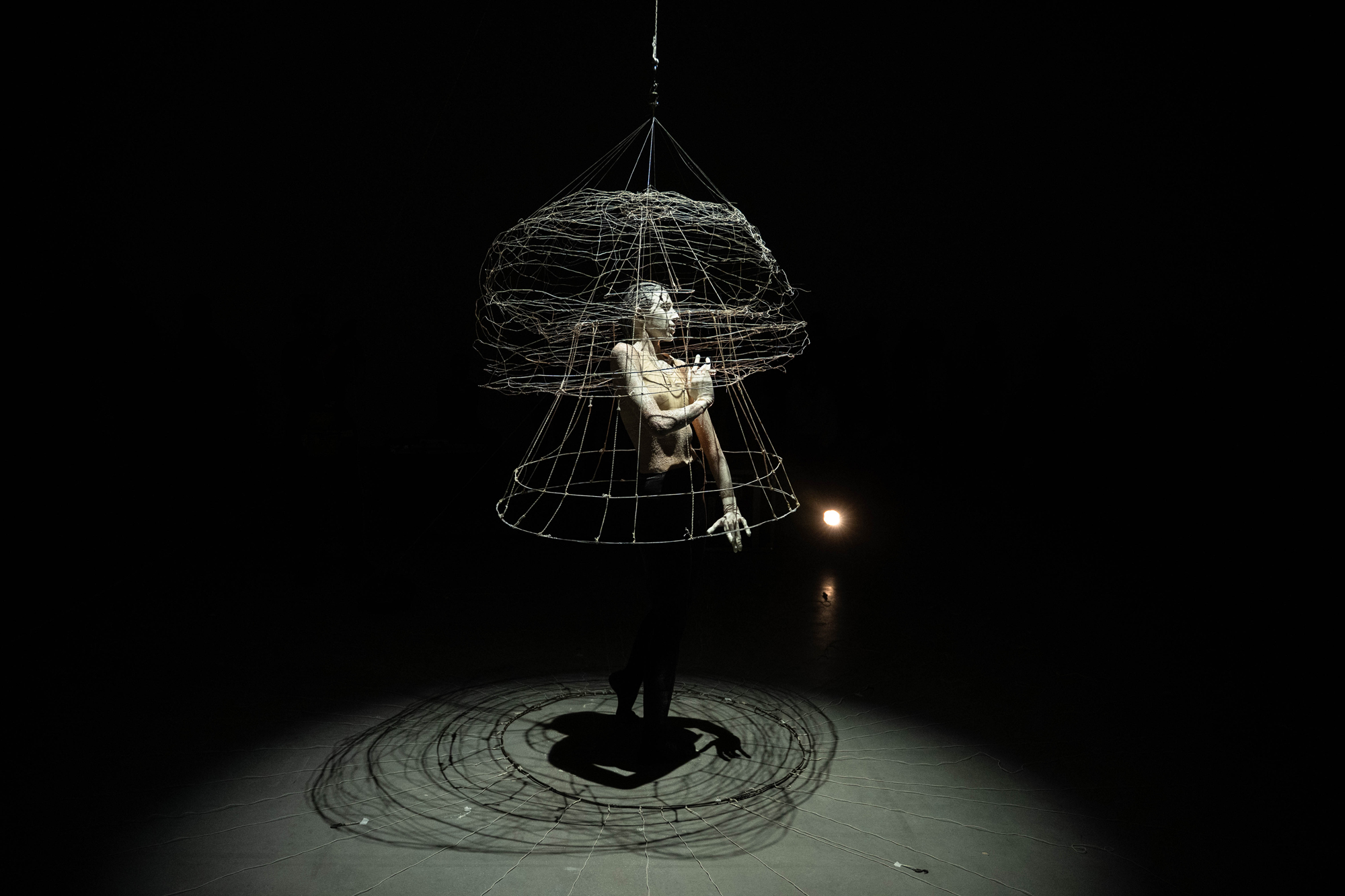
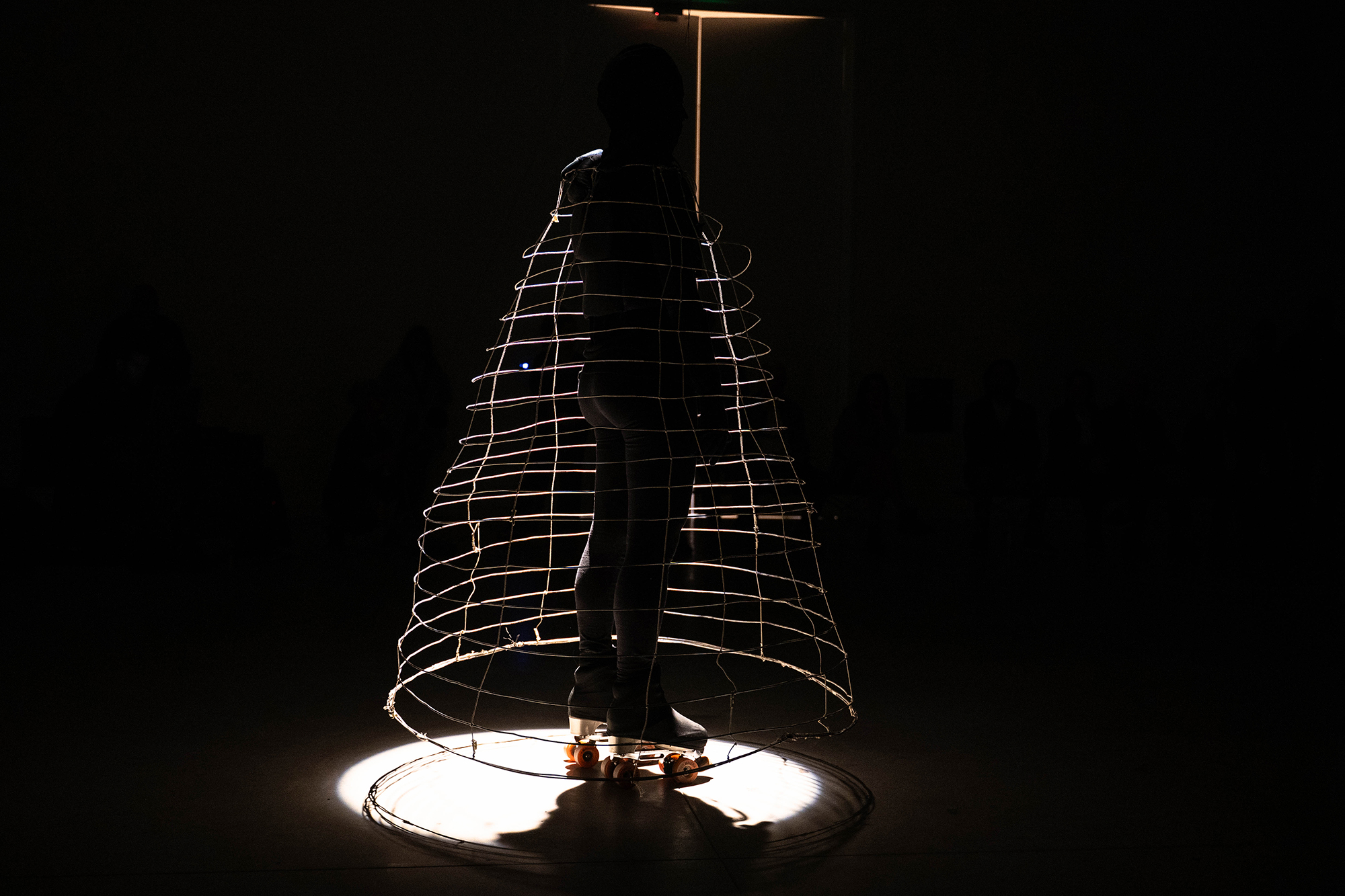
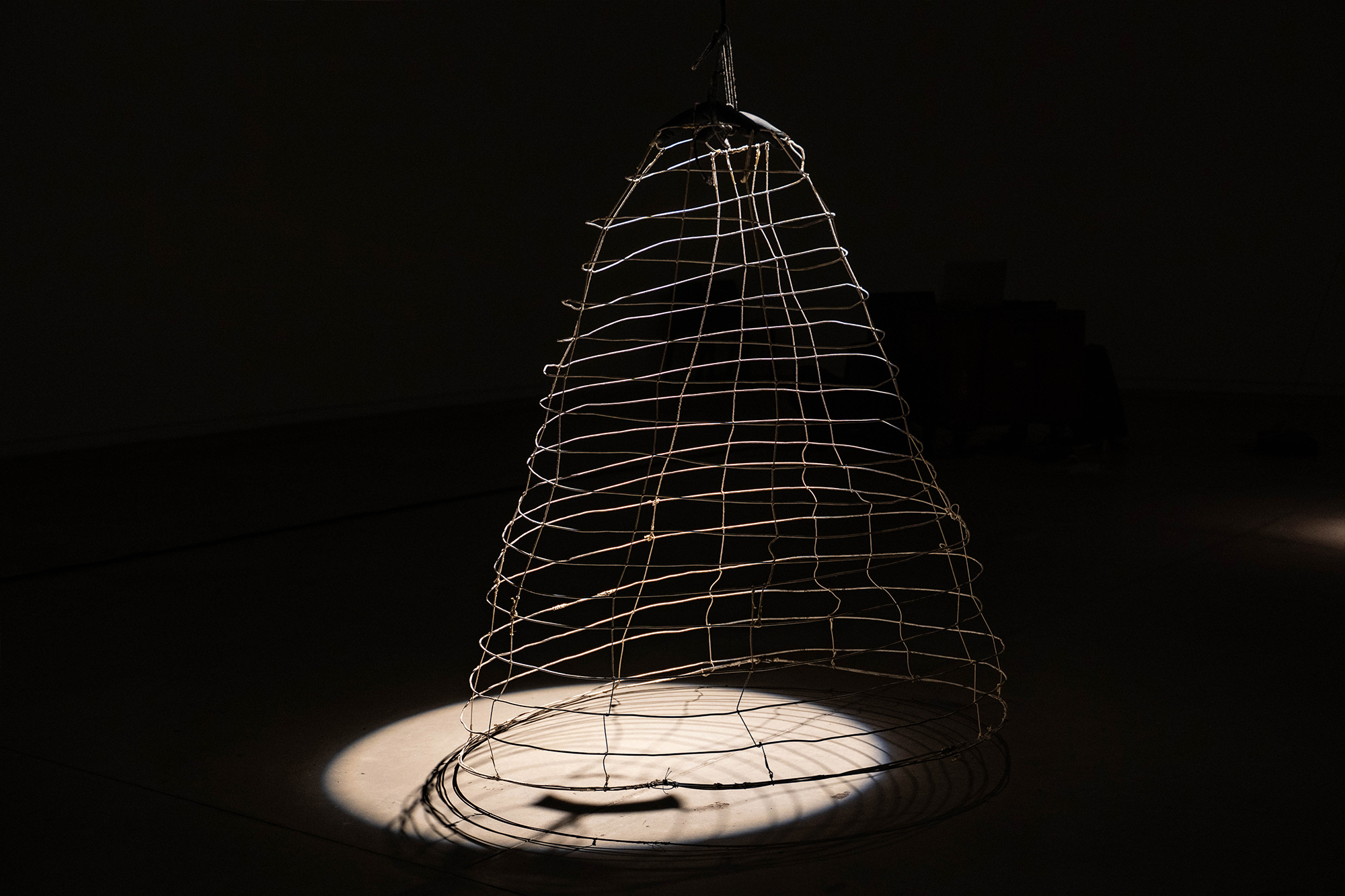
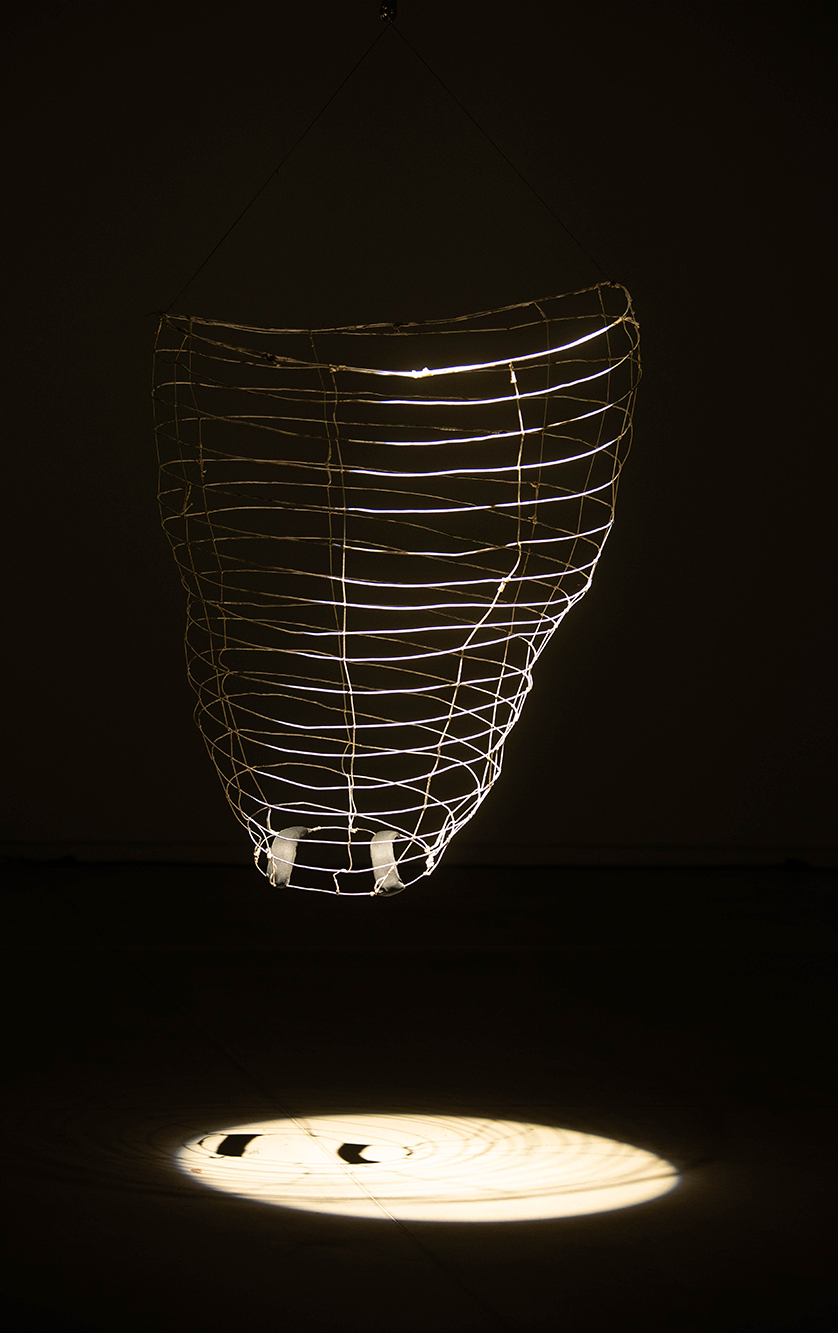
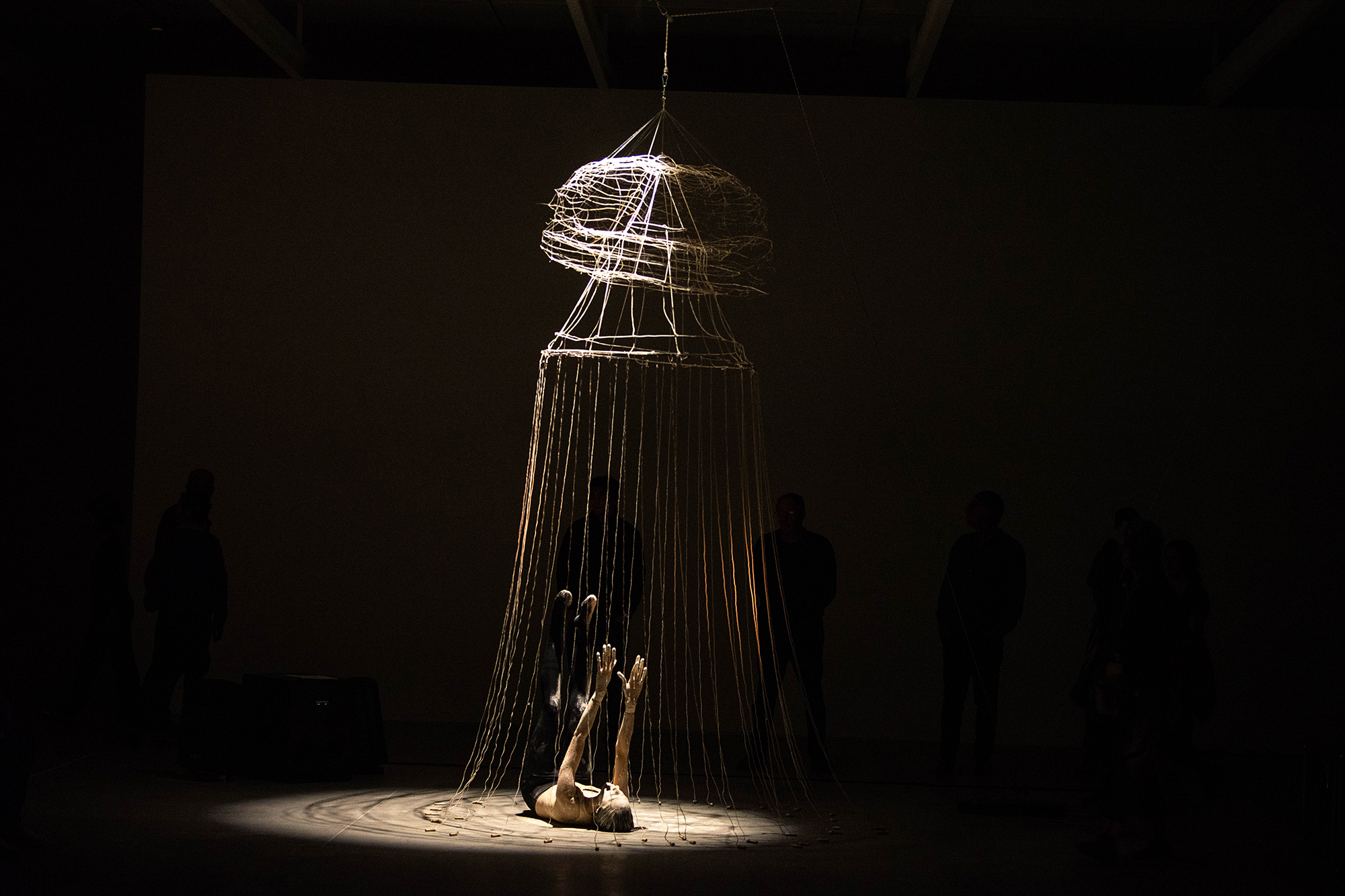
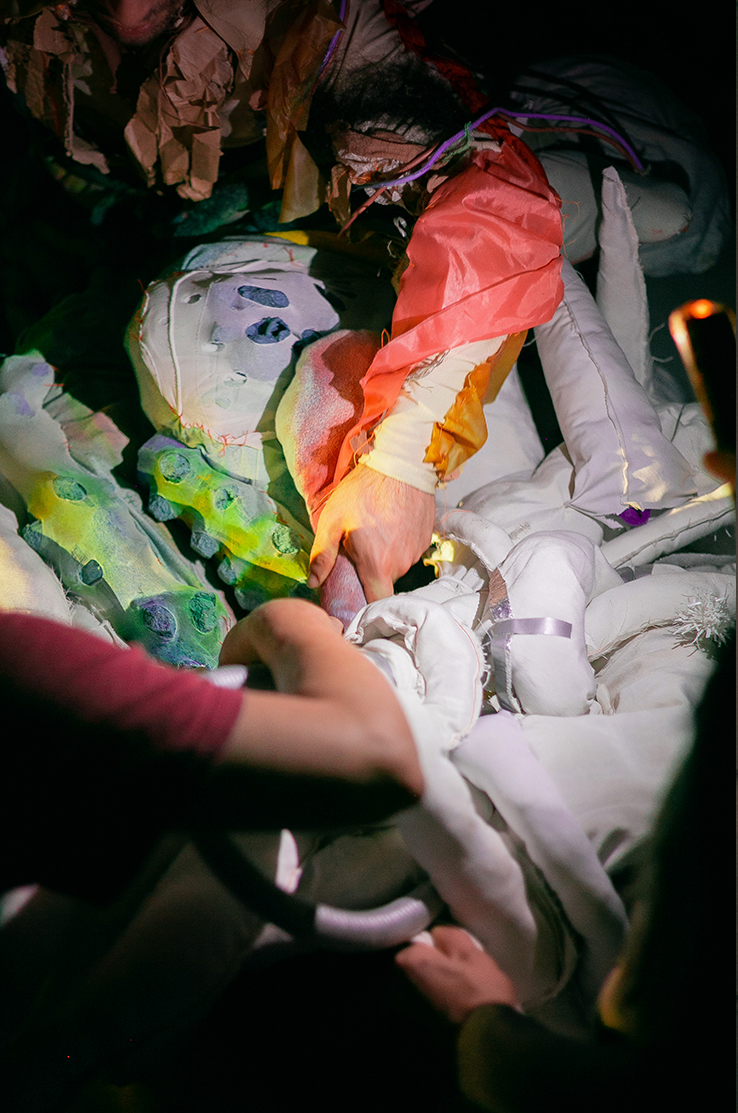
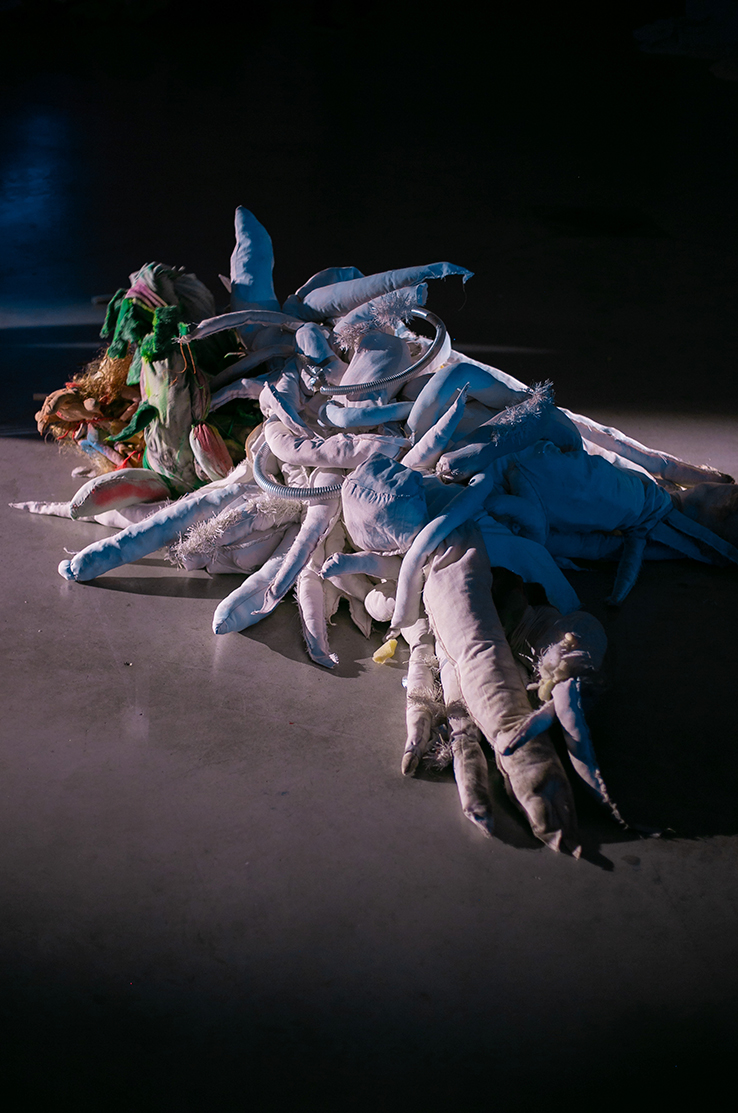
La medusa, el hilo, la espiral y la araña, Valeria Conte Mac Donell
Un gigante rojo, Agostina Luz López
Bailan como muñecos mis anhelos por volver a la escuela, Ignacio Bartolone
April / May 2025, Underground Hall, Museo de Arte Moderno de Buenos Aires, Buenos Aires, Argentina - Credits
-
Museo de Arte Moderno de Buenos Aires’s Director
Victoria Noorthoorn -
Team from the Museo de Arte Moderno de Buenos Aires
-
Press
Débora Lachter -
Technical Production
Gonzalo Berdes -
Artistic Production
Maxi Gallo (2023)
Gabo Baigorria (2025) -
General Production
Ana Laura Colombo -
Idea and Concept
Alejandro Tantanian