DIRECTOR
> THEATRE | MUSICAL THEATRE | OPERA | SPECIAL PROJECTS
El corazón del daño
(2023)
“Silence is oneself, too much,” María Negroni quotes Guimaraes Rosa in her novel? Essay? Autofiction? Epic? Poem? that she called El corazón del daño (The Heart of Damage). This strange artifact, which reaches us in book format, becomes an obsession after reading it. María Negroni invites us to take a leap into the abyss, a powerful journey to the beginning of life, writing, activism in this country—ours—and in the world; to traverse today, yesterday, and tomorrow.
From the beginning to the end of this prodigious book, the first and central relationship (the heart of damage?) between the narrator (María Negroni?) and her mother emerges, omnipresent. Our stage version centers on this relationship, on this battle in time and in the heart.
The opportunity to listen, to embody the voice the book proposes, convinced us that the theatrical form was the right one to bring this text to the general public.
That voice and that body belonged, in my imagination, to Marilú Marini.
Marilú Marini is not an actress, she's a force of nature: any viewer who has seen her work will never forget that experience.
I was fortunate enough to share two projects (and many very happy days) with Marilú – together we performed “Todas las canciones de amor” by Santiago Loza, and we also brought to the stage a long-cherished dream of Marilú's: a show about Saint Teresa of Jesus that we called “Sagrado Bosque de Monstruos”. With texts by Santiago Loza and Inés Garland, we brought it, along with Oria Puppo to the venue María Guerrero, the main stage of the Teatro Nacional Cervantes – Argentina’s only national theatre.
El corazón del daño, a prodigious text in its sensorial support, multifaceted in its plot, with topographies as recognizable as our childhood, requires an actress like Marilú.
Having her enthusiasm is already a reason for success.
This project will also allow the Spanish public to get to know Marilú Marini: a debt that, fortunately, can be repaid.
This entire adventure would not have been possible without the complicity of Patricio Binaghi, who a few years ago, in a Buenos Aires café, lit the flame of this project, which is now happily entering its fruition phase.
Alejandro Tantanian.
-
El corazón del daño
by María Negroni
A theatrical adaptation of the novel of the same name: María Negroni with the collaboration of Oria Puppo and Alejandro Tantanian -
With
Marilú Marini -
Production Manager in Spain and Assistant Director
Patricio Binaghi -
Assistant Director
Santiago Pedrero -
Resident Assistant Director
Paul Alcaide -
Technical Coordination for Teatro Kamikaze
Está por Ver Producciones -
Production / Teatro Kamikaze
Pablo Ramos (executive producer) Jordi Buxó y Aitor Tejada (production management) -
Sound Design and Musical Composition
Diego Vainer -
Set, Costumes and Lights
Oria Puppo -
Directed by
Alejandro Tantanian - A co-production between Teatro Español and Teatro Kamikaze
-
Running time: 60 minutes
World Premiere: September 21, 2023, Teatro Español, Madrid, Spain
Buenos Aires Premiere: January 17, 2024, Teatro El Picadero (produced by Pipa Produce)
French Premiere: April 22, 2025 at the frame of “Ecritures en acte”, CDN Quai de Angers, France (Produced by the CDN Quai de Angers in collaboration with Teatro Kamikaze)
Other Presentations: TNB, Rennes, France – November 2025.
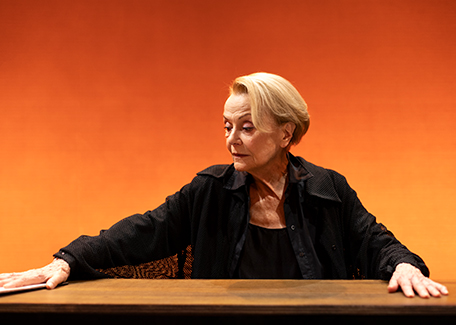
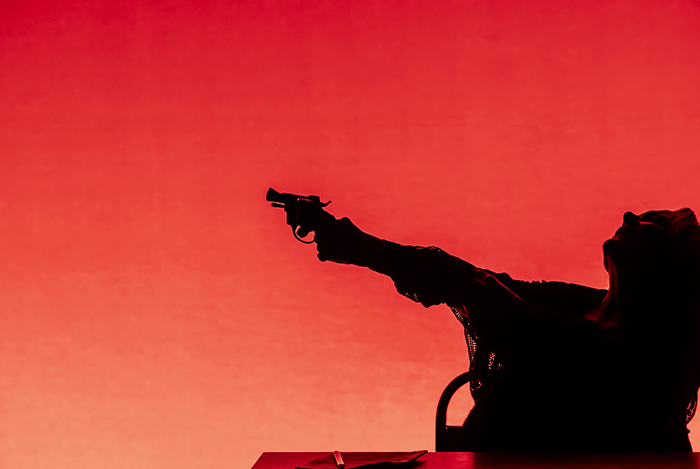
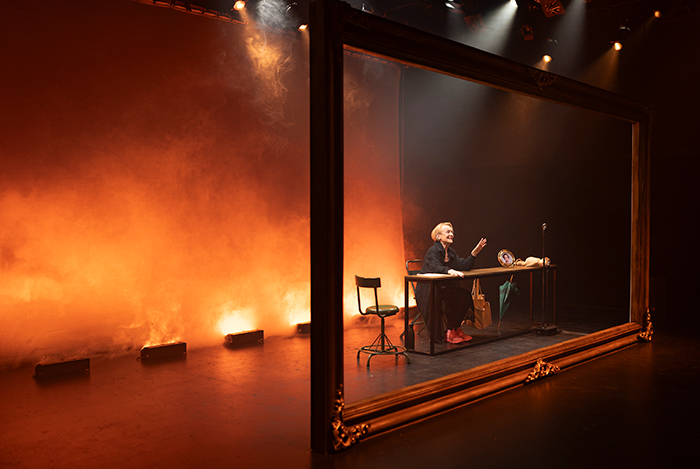
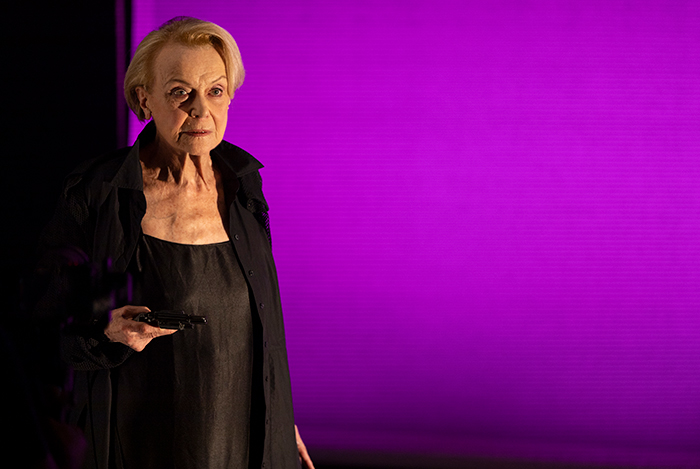
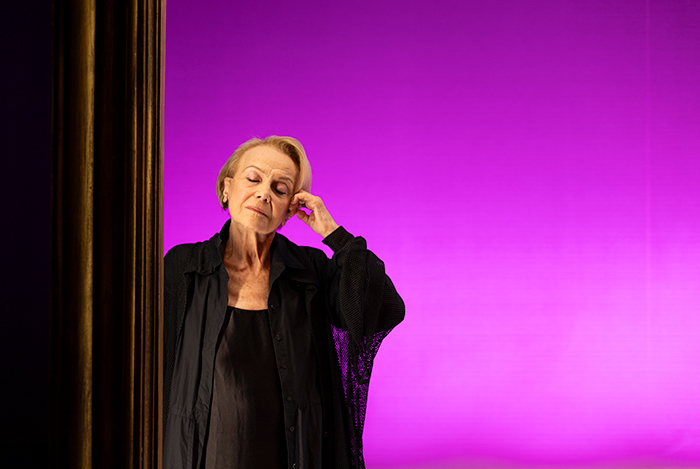
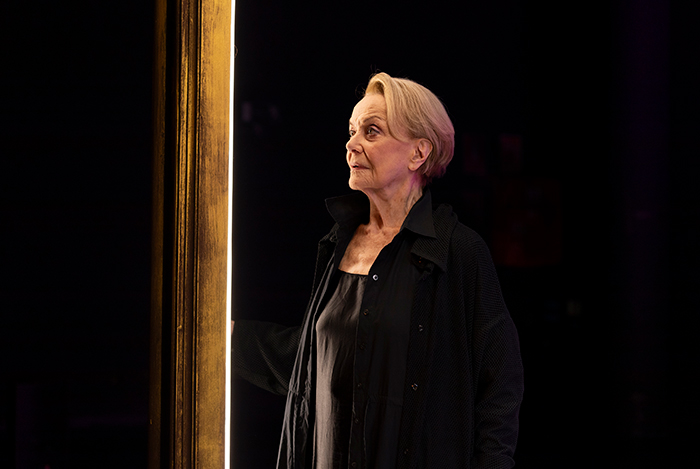
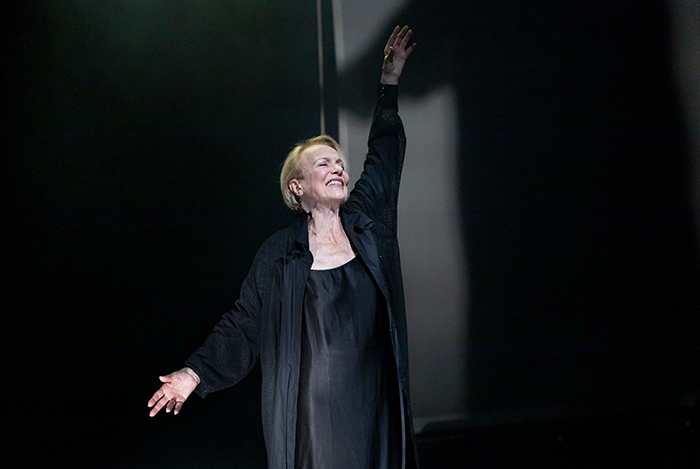
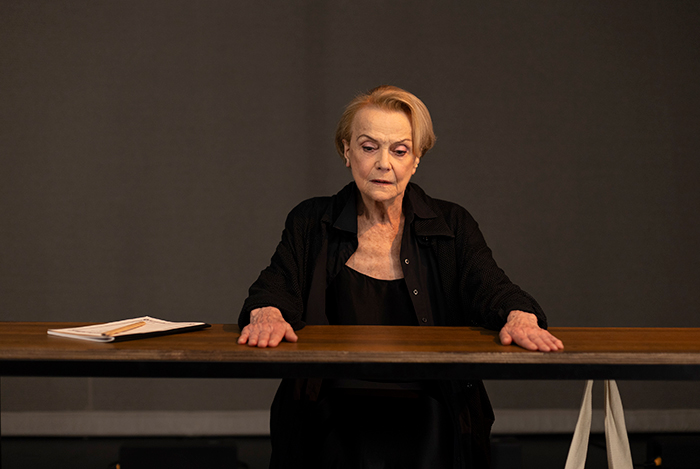
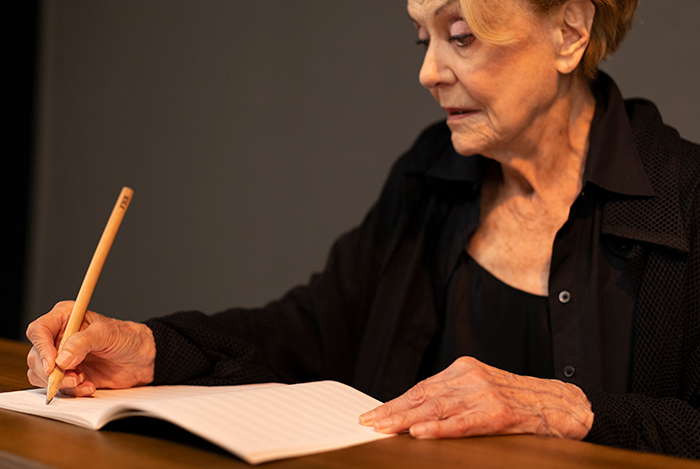
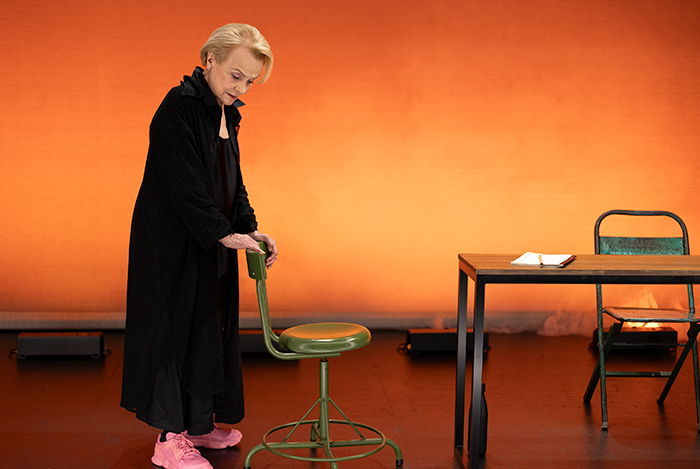
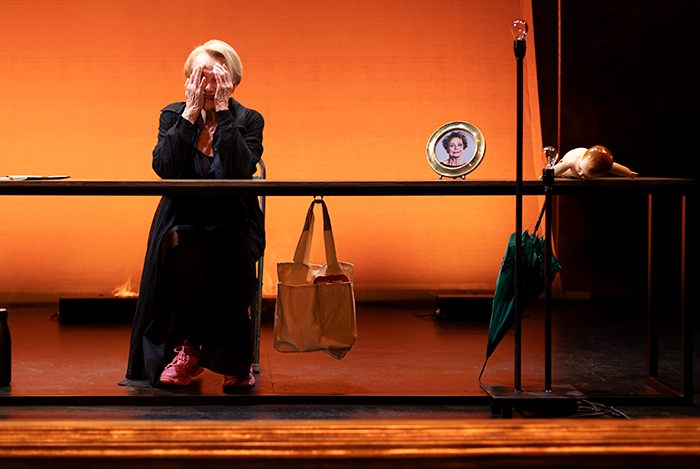
Photos: Vanessa Rabade
- Nomination for the 2025 Martín Fierro Theater Award for Best Show in the Commercial Circuit
- Nomination for the 2025 Martín Fierro Theater Award for Best Director (Alejandro Tantanian)
- Nomination for the 2025 Martín Fierro Theater Award for Best Actress in the Commercial Circuit 2023–2024 (Marilú) Marini)
- 2025 María Guerrero Award Nomination for Best Solo Performance (Marilú Marini)